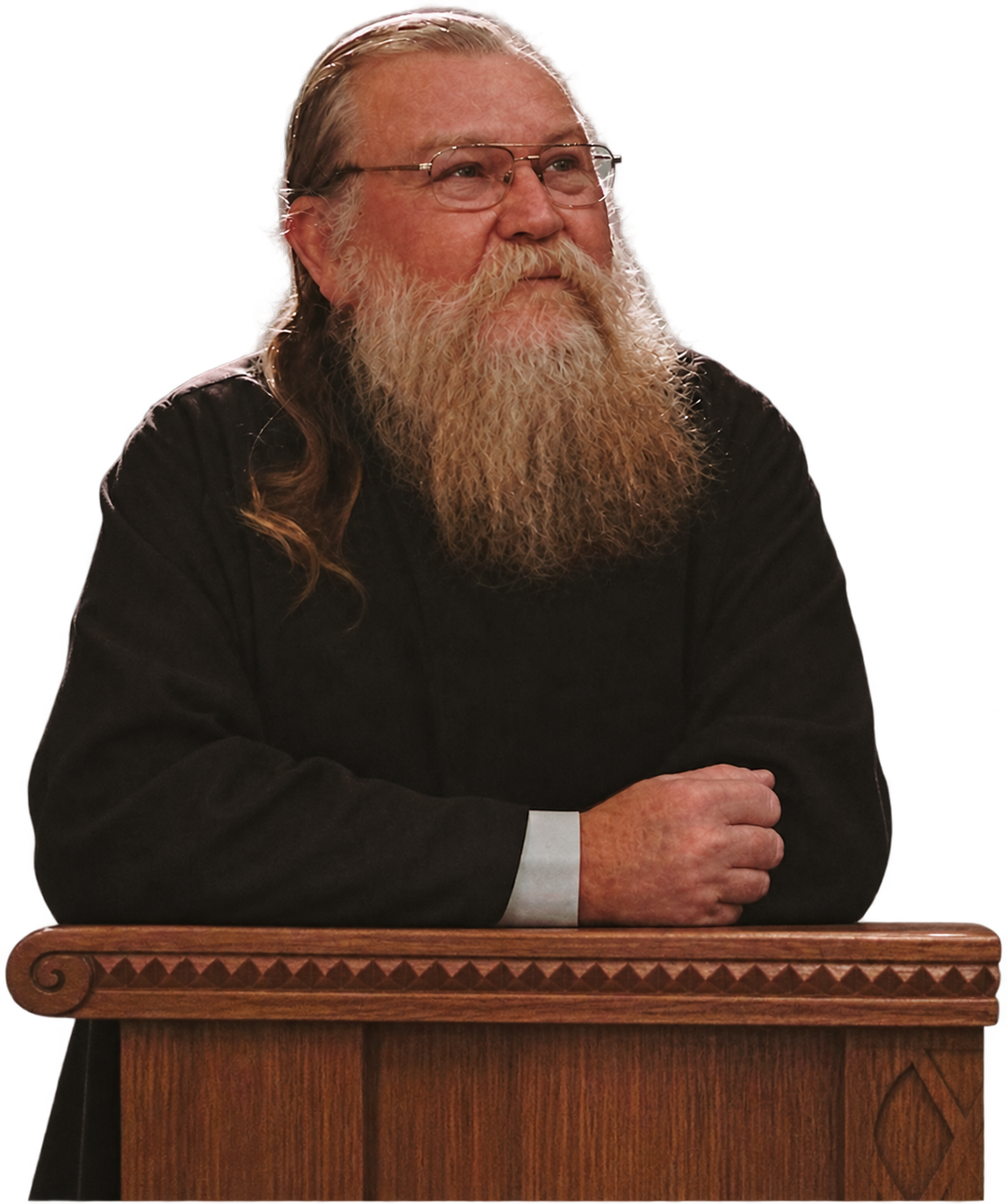
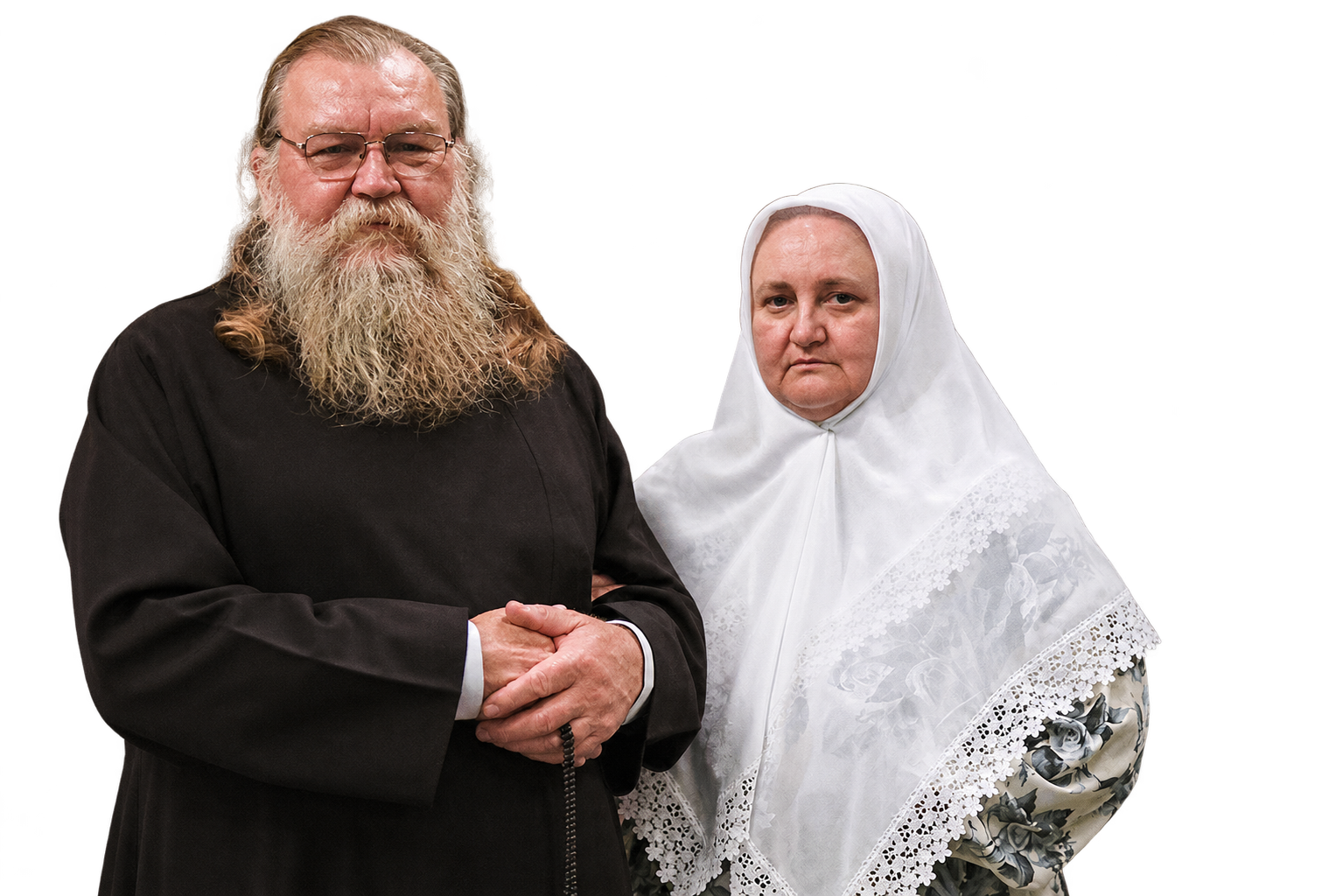
Father Pavel
Fefelov
Serving the Church through his annual calendars.
A Labor of Love
In 1983, before his ordination, Father Pavel began compiling the Russian Orthodox Old Rite Church Calendar in Nikolaevsk, Alaska.
For more than four decades, he has devoted himself to the annual publication of this calendar, preserving feast days, commemorations, fasting traditions and Scripture readings in Russian and English.
Behind each edition are countless hours of work, sacrifice and love for the Church. Alongside Father Pavel, Matushka Natalia has devoted herself to the demanding work of preparing and distributing the calendars. Her perseverance in helping bring each edition to Orthodox families around the world is an essential part of this shared legacy. Their dedication has been a lifelong example to their children.
The Work of His Hands
Beyond his priestly ministry and decades of calendar preparation, Father Pavel has served the Church through the work of his own hands. His craftsmanship in constructing kupola has extended from Alaska to Australia.
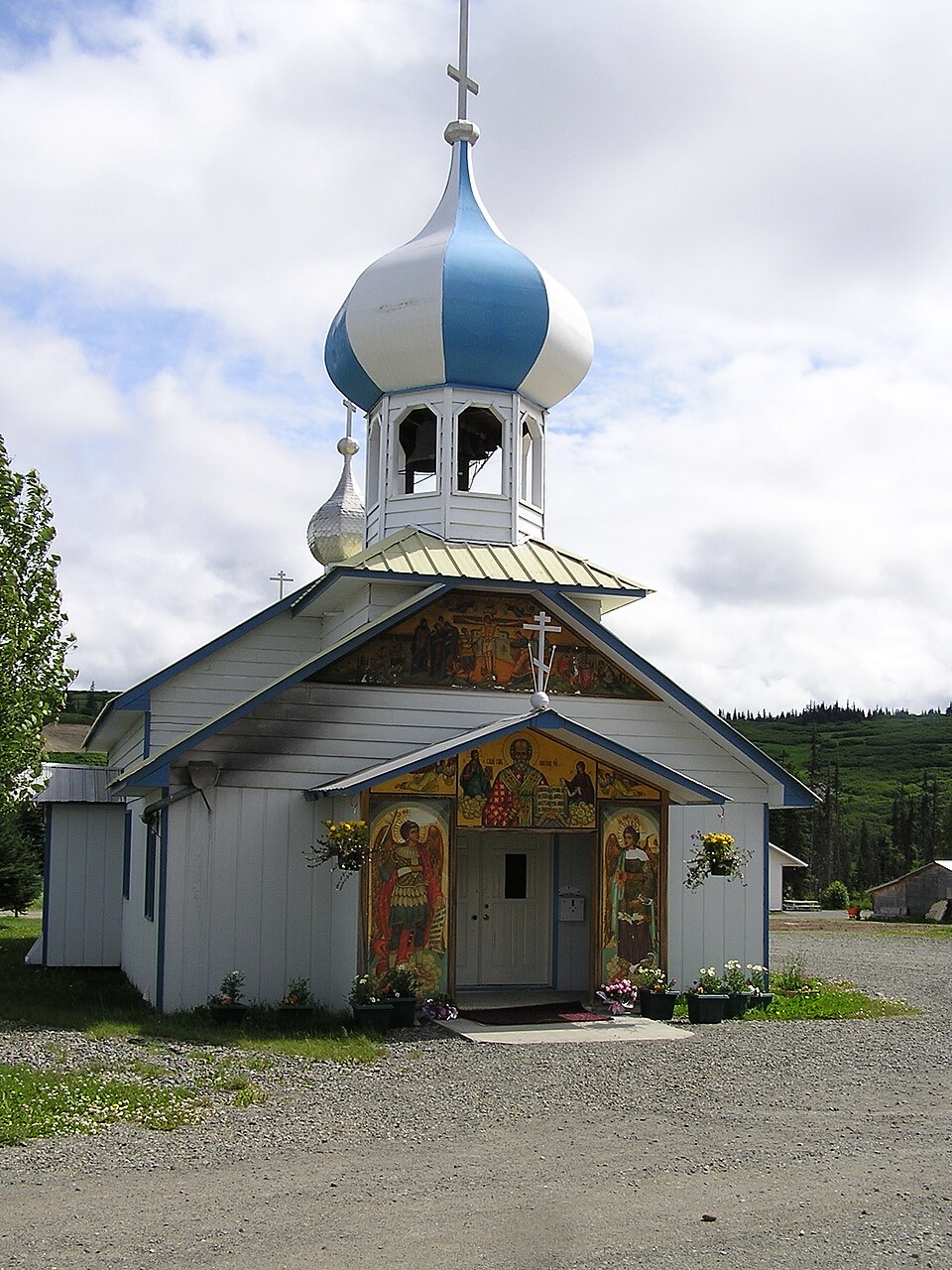
Old Believer church
He helped construct the church’s kupola.
Photo: woodsm, Wikimedia Commons · CC BY-SA 2.0
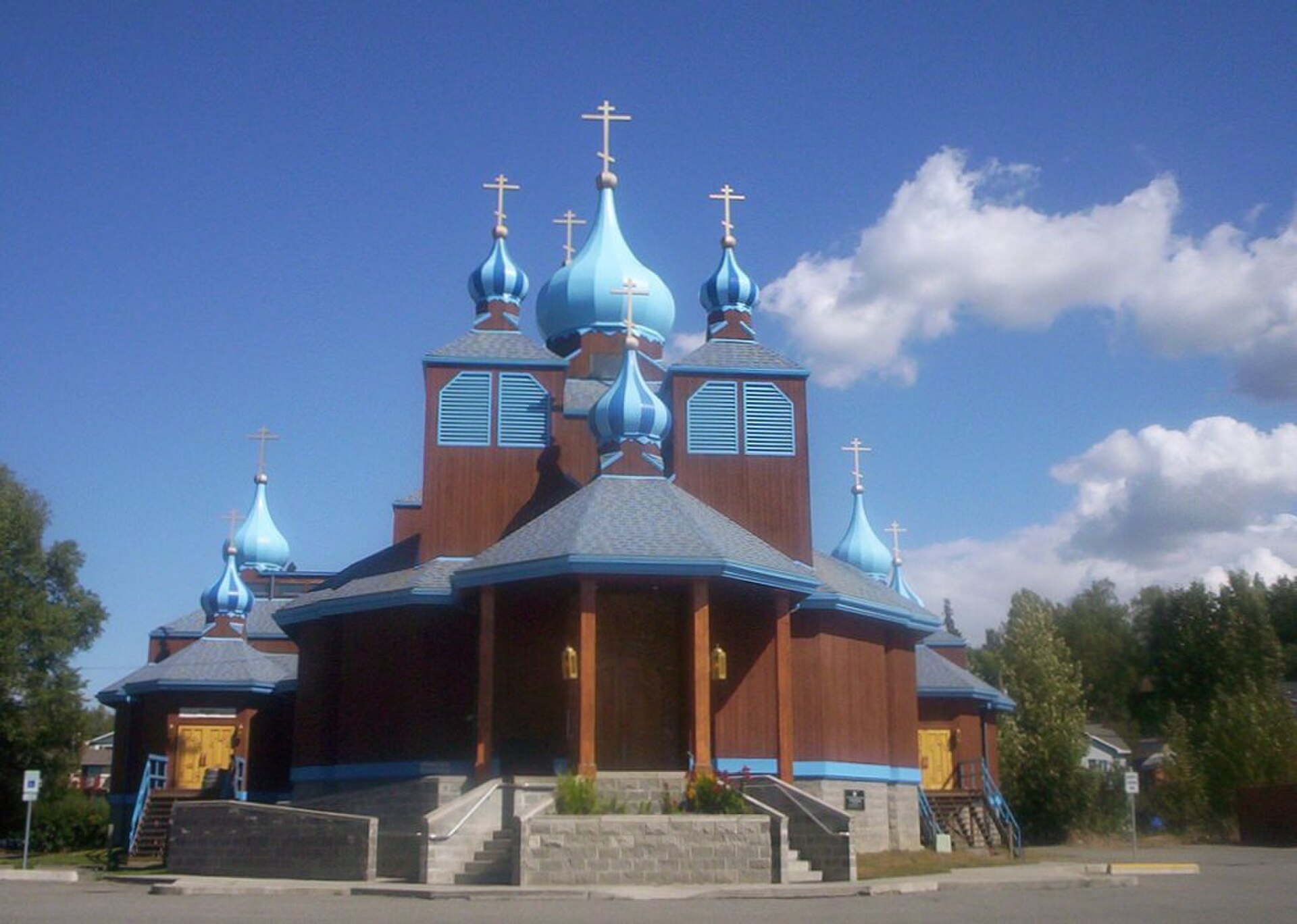
St. Innocent Russian Orthodox Cathedral
Consecrated October 15, 1994
Father Pavel helped construct the cathedral’s kupola as the church developed from a smaller building with two kupola into its present form with twelve.
Photo: terilyn_g, Wikimedia Commons · CC BY 2.0
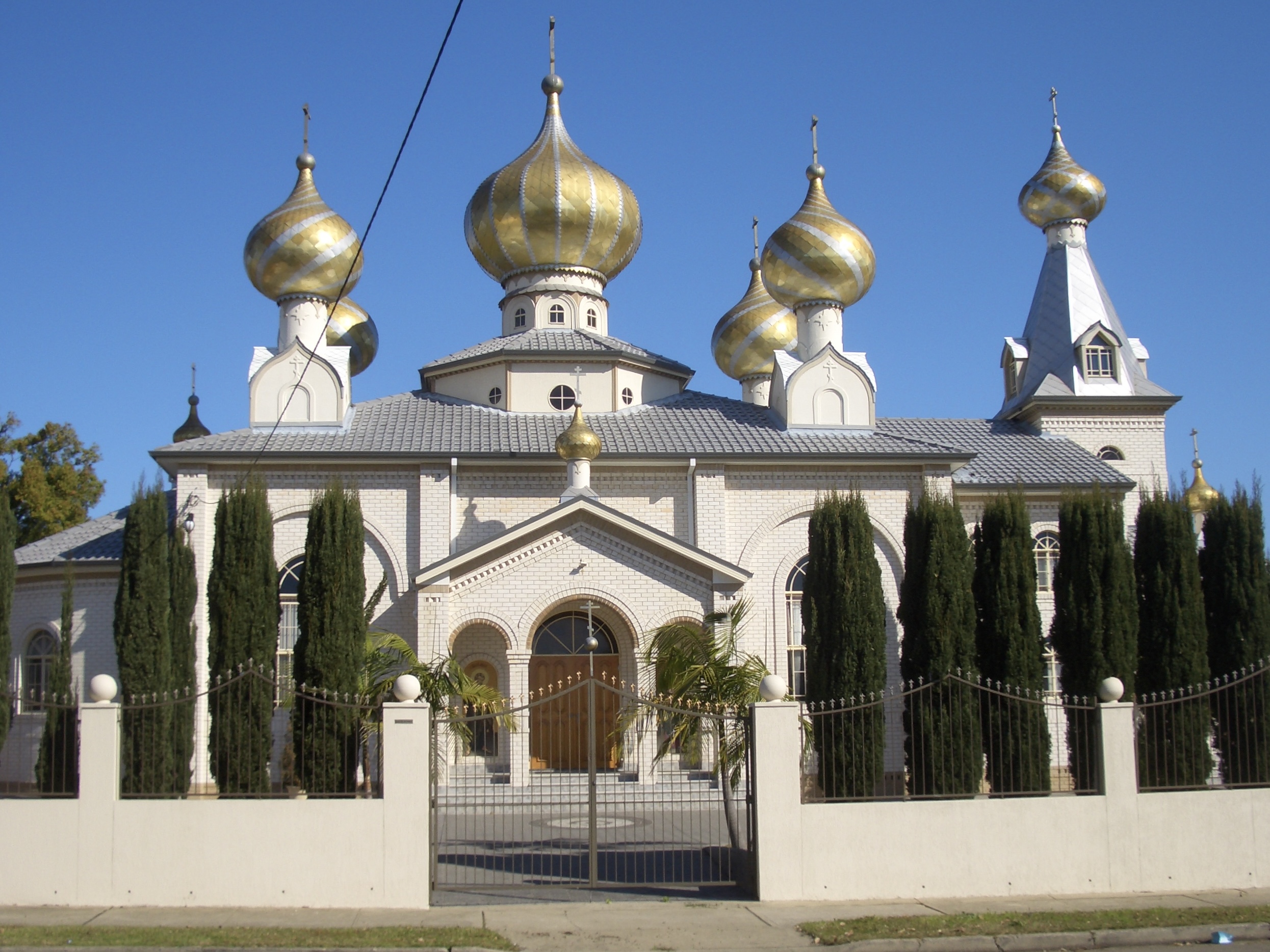
Church of the Dormition of the Most Holy Theotokos
Успение Пресвятой Богородицы
Consecrated in 2000
While serving as an archdeacon in Australia, Father Pavel assisted in the construction of the church’s kupola.
Parish history and dedication · Русская вера · Consecration year from Father Pavel’s interview.
Photo: J Bar, Wikimedia Commons · CC BY-SA 3.0
These churches stand as visible expressions of his faith, craftsmanship and dedication to the Church.
© Rev. Pavel Fefelov
From Their Hands to the World
For decades, Father Pavel’s calendars were sold exclusively in printed form and distributed around the world. Behind that distribution stood the tireless efforts of Father Pavel and Matushka Natalia, whose perseverance helped bring each annual edition to Orthodox families and parishes across the globe.
Since 2025, downloadable editions have been available through the parish website and the calendar’s Facebook page, managed by one of their daughters, who also coordinates the calendar’s release with the parish. Printed copies are now limited, and international shipping has become increasingly expensive.
His work has also garnered the attention of the Belokrinitsa Patriarch, who has expressed interest in supporting the translation of the calendar for use in Romanian parishes.
Continuing the Legacy
As Father Pavel grows older, Piece of Humanity’s digital calendar is one small contribution toward preserving his work, keeping the daily commemorations accessible and, eventually, offering a fasting calendar. It is one of the ways his children, each in their own way, can help continue the legacy their parents have built together.
Help Continue the Tradition
Donations to the parish in support of this project are highly encouraged. They help honor the considerable time and care that go into preparing each annual edition.
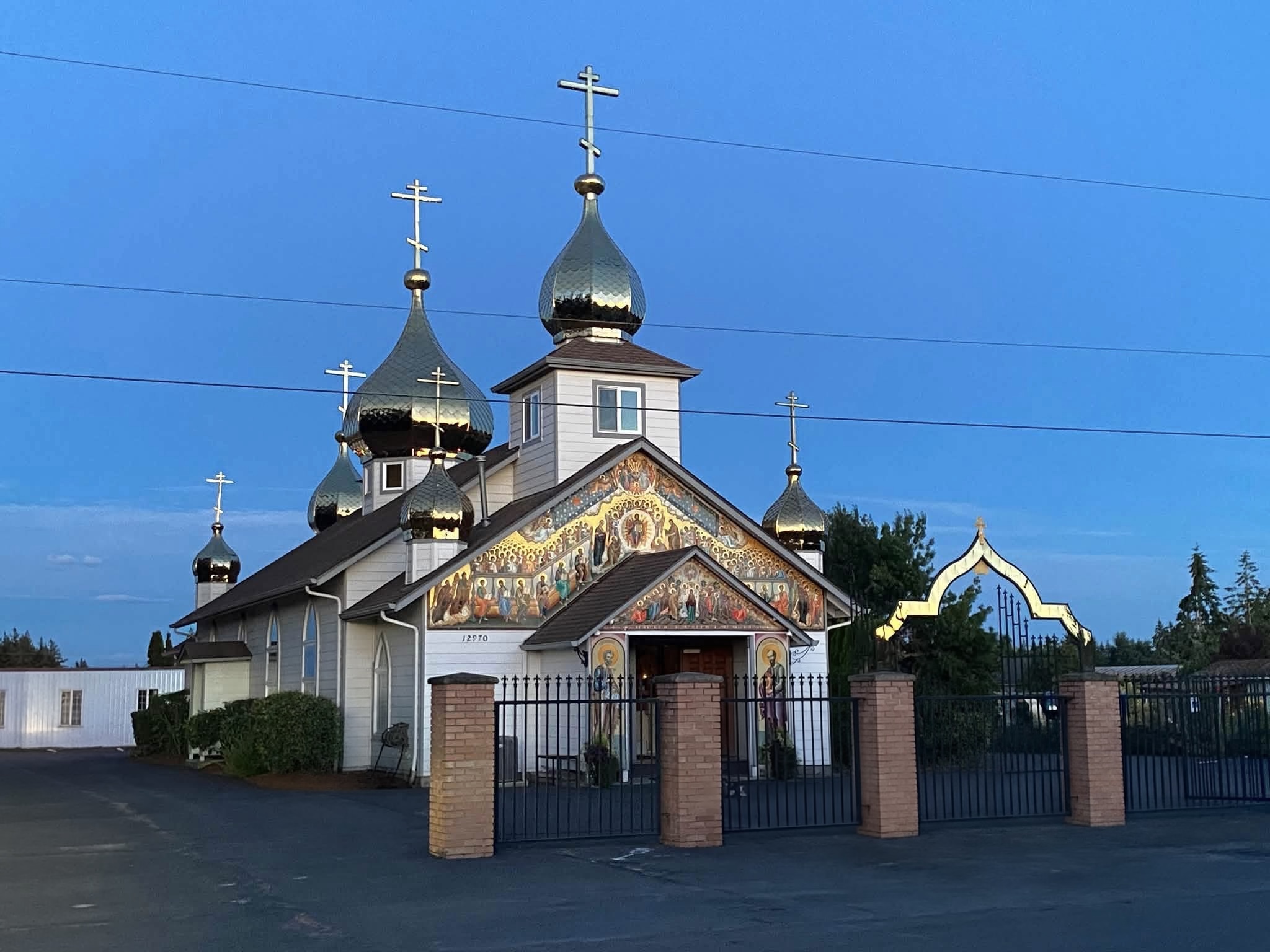
All calendar donations go directly to the Church of the Holy Ascension, not to Piece of Humanity. Please include Fefelov calendar in your donation memo.
Calendar & donation informationDonate to the parish · Follow on Facebook
For printed copies, see the parish calendar information. Online donations are separate from orders.
In His Own Words

In an interview in Moscow, Father Pavel and Matushka Natalia shared their family's journey across countries, their search for priesthood, and their hopes for passing the faith on to younger generations.
Our Homeland Is Our Church
Read in English
English translation supplied by the family, with limited terminology edits. Translation may contain errors.
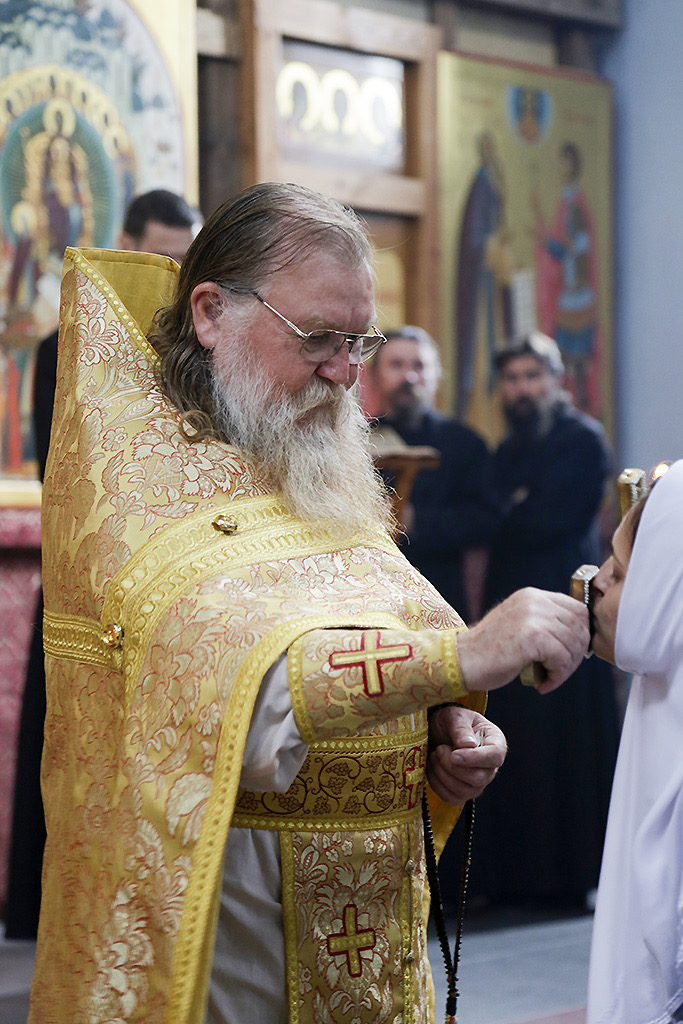
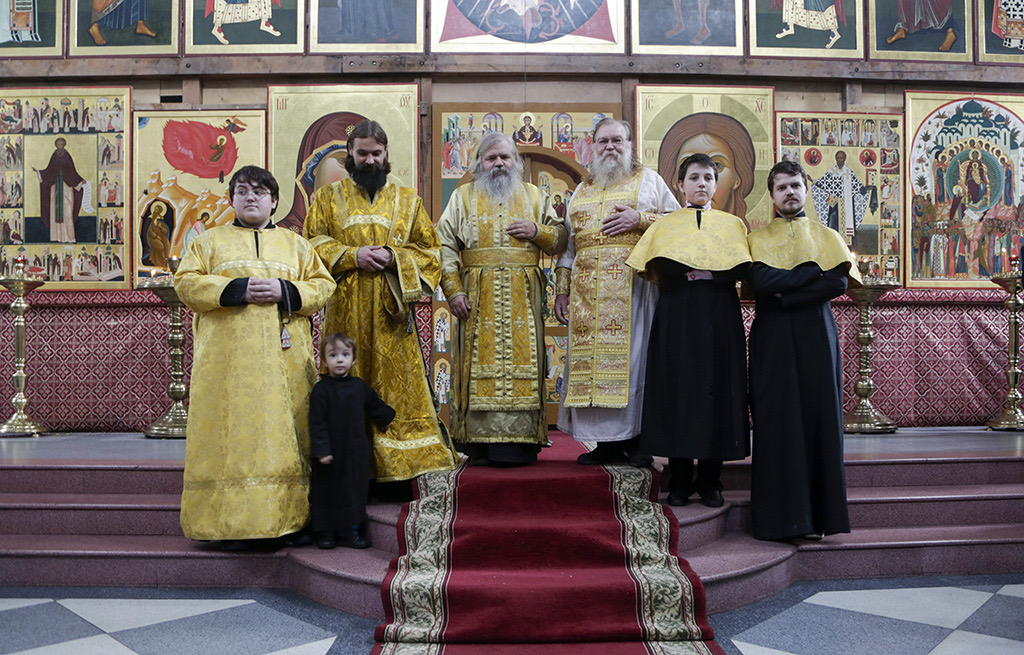
On Sunday, September 18, 2016, on the 13th week after Pentecost, at the invitation of the rector of the capital's Church of St. Nicholas on Tver, Father Alexei Lopatin, a guest from America, Father Pavel Fefelov, served at the church. Father Pavel first visited Russia in 1988, for the millennium of the baptism of Russia, and then in Rogozhsky he was remembered as a joyful and very active young deacon. Over the years, he has turned a little gray, but remained the same man devoted to the Lord, with a joyful heart and firm faith. Although Father Pavel lives in America far from Russia, he speaks pure Russian and comes from those Old Believers who, since the time of the church schism, did not absorb the atmosphere and spirit of the Nikonian tradition during the persecution during the tsarist period and the period of Soviet power, but went far beyond their country, preserving the faith and traditions of Russia. He and his Matushka Natalia have 7 daughters, and in Nizhny Novgorod the son-in-law David serves as a deacon. Such guests do not visit Russia every day, so we, of course, met with Father Pavel and Matushka Natalia and warmly communicated with them after the Liturgy.
Father, tell me, how did you and the Russian Old Believers in general end up in America?
It was according to God’s special providence! There were no Old Believers anywhere in the world: neither in Africa, nor in Brazil, nor in America (meaning the United States - editor's note), but after the split and persecution, our communities were formed there. The words of the Lord about preaching all over the world have come true! My ancestors come from Perm Krai. My maternal grandmother called herself Perm all the time, and my father used to say: "We are people from Vyatka". They came from the Chasovennye tradition. I don't know how, but they found themselves in the Far East, and in the 1930s my grandfather and grandmother crossed the border to China. At that time, they did not leave alone - there were strong persecutions in the country of wealthy people who had something, so many escaped from persecution, uniting in large groups. They couldn't take much with them because they were sailing on rafts. They could only take what fit in the bag from the farm. Leaving everything and crossing the border, they settled east of Harbin, in the Chinese village of Romanovka. Our Old Believers lived here. My father just lived in this village. Thanks to their labors, they got used to it well. My grandfather had a mill, and when my father was still young, we also hunted. I was also born in China in January 1954, but not in Romanovka itself, but in a nearby village, I don't remember the name, many years have passed since then.
Somewhere in 1956, the Russians came and expelled the Japanese from China, the Chinese and Russians defeated Japan in those areas. Ours were offered either to return to Russia or stay here. Many wanted to come back. My grandfather Sazon Makeevich and my father's older brother, Evstratia, were called to the station as if to unload the wagons, but when they arrived there in a group from the village, they were all arrested and put on the train they were supposed to unload. People were loaded and taken to the Far East. From this case, we realized that we should not return to Russia, but we should go even further.
Matushka Natalia: And my father went to this meeting, and some soldier he knew said: don't go there, there will be trouble there. And he didn't go, but managed to escape.
Father Pavel: Grandfather and brother were kidnapped to Magadan camps, Uncle Evstratiy was only 16 years old. They lived in the camp for a decade and stayed in the Far East in Khabarovsk. We even have an aunt there so far. And my father, two brothers and grandmother stayed to live in China. The sons began to hunt, farm, and harvest hay. They were given a choice: to stay in China or go to Russia. Many people chose to go to Russia, but my grandmother and father, knowing what trouble could threaten in Russia, decided to go to Hong Kong. From Hong Kong, we were taken as a group to South America, to Brazil. There were difficult material conditions there: it was difficult to engage in farming, they sowed rice, there was no hunting. I was 9 years old then. In Brazil, the attitude towards us was normal, there was no pressure and persecution anymore. It was just hard for us to live in those parts. The chapel Old Believers who stayed there managed to settle in and now live in Brazil, and in 1963 we moved to the state of Oregon, where we still live today. Our Ascension Church is now located here, where Father Parfiri and Father Toran serve.
And what year did you come to Alaska? How did you meet your Matushka?
This is where our story with Matushka begins. We met in Oregon when we were kids. We gathered in groups there, we were all priestless Old Believers. And somewhere in 1969, the resettlement to Alaska began. Some of our people have already started moving there. In 1972 we got married, and in 1976 we moved to Alaska, to the village. Nikolaevsk. This village was founded in 1969 and was bezpopovsky, there was a prayer station in the name of St. Nicholas.
We had nothing but land and forest around. At first, we lived in tents. They cut down the forest and started building houses. That's how the community came into being. Father Kondrat served as the rector of our priestless church. However, since 1982 we have been talking about the transition to the Belokrinitsa agreement, and in January 1983 a group of our Christians went to Romania to seek the priesthood.
What prompted you to seek the priesthood?
We didn't know there were priests. We lived without communion and other church sacraments, although my godfather Kondrat Fefelov, being a non-popov mentor, secretly kept the Holy Gifts with him. Our great-grandfathers, who had already been annexed to the Church in Russia (Belokrinitska consent), left him with communion. My uncle, Prokhor Grigorievich, had a wife from Popovtsev - Aunt Galina. And she began to tell him: "You are mistaken, believing that there are no more priests and sacraments, but in fact they are there and remained with the Belkrinitsy consent." Correspondence with Bishop Joseph of Australia (he was not a bishop then) began. This correspondence excited people to search for spirituality, we began to study books, and made sure that we were empty and had no opportunity for salvation without the Church. Honor and glory to God that He sent us to Romania, and there we found ourselves under the leadership of Bishop Cyprian in the city of Braile (Vladika Joasaph was already sick). He is such a hospitable, understanding person, accepted us and additionally began to convince us of the truth of faith, and then our people understood the situation we were in. O. Kondrat did not even return, he stayed to study there, and he was ordained a priest in early 1983 in Brail.
We have already gathered in another group and went to Romania with Matushka to make sure ourselves. We were baptized in the Danube at Easter, and we were married for a week on Fomina. And since then we have opened a community in Alaska. When Father Kondrat returned, the fight with the priestless Old Believers began, whose prayer hall would be. Since Father Kondrat was the abbot, at first we decided to take the temple for ourselves. But there were some troubles, and we decided to build another temple. It was in 1983-1984. As a result, our temple remained, and there was a sudden fire in the bezpopov people, and that prayer house burned down.
Three years later, Bishop Joseph who was also ordained in Romania, is already coming. In 1986, I was made a deacon. And since that time I began to serve God at the throne. I served as a deacon in Alaska for 10 years. We had to put a bishop, and here was a candidate in Romania, Bishop Justin, whom we called. It was our first bishop to America from Romania, and the main troubles fell on me. After the death of Father Kondrat in this temple, in the village of Nikolaevsk, is served by Father Nikola Yakunin, and his son Vasily Nikolaevich Yakunin serves as a deacon there. They are now building a large church near the old temple.
Does the state help, or do they build at their own expense?
Mostly at your own expense. We don't have any help and benefits from the state.
Is there no pressure from the state?
No. We got church freedom from the very beginning.
In that area, in the end, who became more: Belokrinitsky or priestless Old Believers?
Most of them are left without priests.
How many countries have you traveled to and what do you consider your homeland?
Matushka Natalia: We were born in China, lived in Hong Kong, lived in Brazil, then in Oregon, then in Alaska, then in Australia, and now we live in Oregon again.
Father Pavel: The Motherland for us is our Church. Wherever we go, there is a house everywhere. In 1996, before the Church Council in Belaya Krinitsa, my Matushka and I moved from Nikolaevsk to Australia. The construction of the church began there, I helped a little, I made towers and kupola with my own hands. And so in 2000 in Sydney there was a consecration of a large stone temple in the name of the Assumption of the Virgin. In the first year after the consecration, we decided to go back to America. We came to America, settled in Oregon. I served as a deacon here, we lived there for five years. Again, I received an invitation from Australia to become a priest, because their local priest, Father Peter, had reposed, and they needed a priest. I was ordained on the eve of the feast of Archangel Michael, and already in early 2006 we moved back to Australia.
And then I had a family crisis. My father got sick, and I had to choose: either go to Oregon to take care of my father, or stay in Melbourne. I decided to go to take care of my father. Of course, I received a bishop's punishment for this choice, I suffered it. You could say that my father reposed in my arms. I stayed in Oregon, like a pensioner, a substitute priest. And there they put a young priest, who was called from Romania. In Oregon now two priests serve, as I said, Father Parfiri and Father Toran. After the death of Bishop Justin, it was a blessing to have Bishop Sofroniy with us. He painted the temple in Nikolaevsk, and when he became a bishop, he painted the temple in Sydney. With the blessing of Archbishop Sofroniy, I have now come to your region. That's my little story.
What jobs or crafts are Alaskan Old Believers mainly engaged in today?
Most of our people in Alaska are engaged in fishing. We used to have a shipyard there. Of course, this plant closed in difficult times. There are also those who work in construction. Everyone survives as best they can.
Are there those among the Old Believers who have achieved any career success in politics or business? Do they help the Church?
There are people in business. Many have graduated from universities, now they work in large companies (for example, in the company "BP"). This is already the generation of our children. People of my age and older were still engaged in farming. Many people participate in the life of the Church, help financially. We were recently in Lyskovo, I was told that money for the construction of the temple was sent there from Australia. They help a lot in Romania. O. Kondrat built a church in Khabarovsk at the expense of donations from abroad.
Tell me, how does the everyday life of American Old Believers differ from the life of Russians? It is said that the houses of the Old Believers in the United States are built on large land plots far from each other, people use numerous transports, it is allowed to carry weapons.
Yes, there is no ban on weapons in America. But I don't even know which of ours wears it. True, they go hunting and there are weapons for hunting in every house. They go fishing. In Oregon, Old Believers maintain farms, are engaged in agriculture, grow berries, nuts. Some may even have 50, 100 hectares of land. Everyone has their own home in America. It's like you have houses outside the city, so do we have. We avoid big cities. Our daughter lived in an apartment, but we realized that she pays much more money for rent. Why live there and give money away? We decided to help her, bought a house. Than to give rent to someone, let them pay for their house better.
Are there any prospects in America in terms of worldly life and work?
A working person in America has all the opportunities, but a lazy person has nothing to do there. And in general, it seems to me that in any country a working person will find a place for himself. Since tsarist times, Russia has been the first country in the world, why? - Because people were hardworking!
Is there crime in the country?
It depends on where you are. There is crime in big cities, and on the outskirts, where our people live, it's calm. Occasionally there are robberies.
Do the Old Believers there retain their knowledge of the Russian language, church and liturgical traditions, do you have Old Believer traditions that differ from those of the Russian ones?
Everything is served in Old Slavonic in the church. They try to teach children the Old Slavonic language. But, unfortunately, the Russian language is starting to get lost, because all education in schools is only in English.
You speak pure Russian...
It's from my parents. They came to America and didn't know English. We were brought to America. We are the first generation of Russian emigrants. Here's our family: some of our children have already married Americans, their children don't understand Russian at all. But my Matushka and I can speak English fluently.
It turns out that parishioners who know English, but don't know Russian well, don't understand anything in the church? Are there many of them?
When young people come to church, you already think that you should speak a sermon in English. However, the older generation is against it. And the young people stand and count flies on the ceiling, because they don't understand anything. There were conversations on this topic, but so far the sermon is only in Russian.
In general, I think that faith should be comprehend in the native language, in which a person understands. If mom and dad don't know Russian, then their child should preach faith in their native English. We have children who can read Russian, but there are few of them. Children go to an ordinary American school, and, of course, it is already very difficult for them to keep their Russian language.
Does Archbishop Sofroniy of Australia-Canado-American often come to your and other parishes? What can you tell us about these visits?
Archbishop Sofroniy tries to visit all our communities during the year. He spends three or four months in Sydney, three or four months in Oregon, in Alaska. He has a home in every community where he lives. For example, he comes to the patronal feast, or, sometimes, will serve for a month or two. We just spread out the holidays. For example, he leaves for the Assumption and Intercession in Australia, then comes to Oregon for the Ascension and, sometimes, stays until the feast of St. Nicholas.
By the way, Archbishop Sofroniy sends peace and his Archpastoral blessing to Russia. I wish you all brotherly love and strength in the faith of Christ!
Father, you were in Russia for the first time in 1988, on the anniversary of the Baptism of Russia, what, in your opinion, has changed over the years?
It's getting cleaner on the roads. Your churches have been renewed. For example, in the Church of St. Nicholas, where I served today, last time I saw bare walls, and now everything is well-maintained here. At the airport, people seem to have become more lenient. And what's most interesting, the shops have become full. And they used to be empty. People began to smile more often. McDonald's taught you to smile (laughs).
In your opinion, is there still spirituality in Russia, are we real Old Believers or have we already translated?
If you weren't real, I wouldn't come to you (smiles). May God save it for all of us!
What would you like to wish for the younger generation of Old Believers?
Keep your heartfelt faith. This is the most basic. I also wish you to preserve Old Believer customs and not assimilate with the world around you. Well, don't abuse the World Wide Web (smiles). Remain as open to God as Archpriest Avvakum and our holy forefathers commanded us. Remember that the Christian life is not in the letter and the dot, but in love. Love each other, as Christ commanded us, and then peace will be between us!
The editorial board of the site "Russian Faith" on behalf of all our readers expresses gratitude to Father Pavel and Matushka Natalia for an interesting story about the life of Old Believers in America. May Christ save you! We also express our special gratitude to Father Alexey Lopatin for his help in preparing the material and professional photos.
Читать по-русски
В воскресенье 18 сентября 2016 года, в Неделю 13-ю по Пятидесятнице, по приглашению настоятеля столичного храма св. Николы на Тверской иерея Алексея Лопатина служил гость из Америки — иерей Павел Фефелов. Первый раз о. Павел посетил Россию в далеком 1988 году, на тысячелетие крещения Руси, и тогда на Рогожском он запомнился радостным и весьма активным молодым диаконом. За эти годы он немного поседел, но остался всё таким же преданным Господу человеком с радостным сердцем и твердой верой. Отец Павел хоть и проживает в Америке вдали от России, но говорит на чистом русском и является выходцем из тех старообрядцев, которые со времен церковного раскола не впитали в себя атмосферу и дух новообрядчества во времена гонений в царское время и период советской власти, а ушли далеко за пределы своей страны, сохранив веру и традиции Руси. У него с матушкой Натальей 7 дочерей, а в Нижнем Новгороде диаконом служит зять Давыд. Такие гости в России бывают не каждый день, поэтому мы, конечно же, встретились с о. Павлом и матушкой Натальей и тепло пообщались с ними после Литургии.
Отче, расскажите, как Вы и вообще русские старообрядцы оказались на территории Америки?
Это было по особому смотрению Божию! Не было старообрядцев нигде в мире: ни в Африке, ни в Бразилии, ни в Америке (имеются в виду США — прим. ред.), но после раскола и гонений там образовались наши общины. Сбылись слова Господа о проповеди во всем мире! Мои предки родом из Пермского края. Бабушка по материнской линии всё время называла себя пермячкой, а отец говорил: «Мы люди вятские». Они были выходцами из часовенного согласия. Не знаю, каким образом, но они очутились на Дальнем Востоке, а в 1930-е годы мои дед и бабушка перешли через границу в Китай. В то время они уходили не одни — в стране были сильные гонения на зажиточных людей, которые что-то имели, поэтому многие спасались от преследований, объединяясь в большие группы. С собой они не могли много увезти, потому что плыли на плотах. Могли из хозяйства взять только то, что умещалось в сумку. Оставив все и перейдя границу, они поселились на востоке от Харбина, в китайской деревне Романовке. Здесь проживали наши старообрядцы. Мой отец как раз жил в этой деревне. Благодаря своим трудам они хорошо освоились. У деда была мельница, а когда отец был еще молодым, то занимались и охотой. Я тоже родился в Китае в январе 1954 года, но не в самой Романовке, а в деревне поблизости, название уже и не помню, много лет прошло с тех пор.
Где-то в 1956 году пришли русские и выгнали японцев из Китая, китайцы и русские победили Японию в тех районах. Нашим было предложено или возвратиться в Россию, или остаться здесь. Многие захотели вернуться. Моего деда Сазона Макеевича и старшего брата отца, Евстратия, вызвали на станцию будто бы разгружать вагоны, но когда они пришли туда группой из деревни, их всех арестовали и посадили на тот поезд, который они должны были разгружать. Погрузили людей и увезли на Дальний Восток. С этого случая мы поняли, что в Россию нам возвращаться не следует, а нужно уходить еще дальше.
Матушка Наталья: А мой отец шел на это собрание, и какой-то его знакомый солдат сказал: не ходи туда, там беда будет. И он не пошел, а сумел скрыться.
Отец Павел: Дедушку с братом угнали в Магаданские лагеря, дяде Евстратию было всего 16 лет. Они десятилетку отжили в лагере и остались на Дальнем Востоке в Хабаровске. У нас там даже тетя есть доселе. А мой отец с двумя братьями и бабушкой остались жить в Китае. Сыновья начали заниматься охотой, сельским хозяйством, сено заготавливали. Им дали выбор: оставаться в Китае или ехать в Россию. Многие выбрали поехать в Россию, но мои бабушка и отец, зная, какая беда может грозить в России, решили уехать в Гонконг. Из Гонконга нас группой увезли в Южную Америку, в Бразилию. Там были тяжелые материальные условия: землепашеством трудно было заниматься, сеяли рис, охоты никакой не было. Мне тогда было 9 лет. В Бразилии отношение к нам было нормальное, никакого давления и гонений уже не было. Только тяжело прожить нам было в тех краях. Часовенные старообрядцы, которые остались там, сумели обжиться и сейчас живут в Бразилии, а мы в 1963 году переселились в штат Орегон, где и живем поныне. Сейчас здесь находится наш Вознесенский храм, служат о. Порфирий и о. Никита Торан.
А в каком году Вы в Аляску приехали? Как познакомились с матушкой?
Вот тут начинается наша с матушкой история. Мы познакомились в детстве в Орегоне. Там мы съезжались группами, все мы были безпоповцы. И где-то с 1969 года началось переселение в Аляску. Некоторые из наших уже начали двигаться туда. В 1972 году мы поженились, и в 1976 году переселились в Аляску, в пос. Николаевск. Поселок этот основался в 1969 году и был безпоповским, там была моленная во имя святителя Николы.
У нас ничего не было, только земля и лес вокруг. Первое время мы жили в палатках. Срубили лес и начали строить дома. Так и возникла община. Отец Кондрат служил настоятелем нашей безпоповской моленной. Однако с 1982 года у нас начались разговоры насчет перехода в белокриницкое согласие, и в январе 1983 года группа наших христиан выехала в Румынию искать священство.
Что побудило вас искать священство?
Мы не знали, что есть священники. Жили без причастия и других церковных таинств, хотя мой крестный отец Кондрат Фефелов, будучи безпоповским наставником, тайно хранил у себя святые Дары. Ему причастие оставили наши прадеды, которые в России уже были присоединены к Церкви (Белокриницкому согласию). У моего дяди, Прохора Григорьевича, жена была из поповцев — тётя Галина. И она ему начала говорить: «Вы находитесь в заблуждении, считая. что уже нет священников и таинств, а на самом деле они есть и остались у белокриницкого согласия». Началась переписка с владыкой Иосифом из Австралии (он еще тогда не был епископом). Эта переписка возбудила людей к поискам духовности, мы начали изучать книги, и убедились, что мы пустые и не имеем возможности для спасения без Церкви. Честь и слава Богу, что Он направил нас в Румынию, и там мы оказались под руководством епископа Киприана в г. Браиле (владыка Иоасаф уже был болен). Он такой гостеприимный, понятливый человек, принял нас и дополнительно стал убеждать в истинности веры, и тогда наши поняли, в какой ситуации мы находимся. О. Кондрат даже обратно не вернулся, остался учиться там, и его рукоположили во священники в начале 1983 года в Браиле.
Мы уже собрались другой группой и с матушкой поехали в Румынию, чтобы самим увериться. Под Пасху нас крестили в Дунае, а на Фомину неделю венчали. И с того времени у нас открылась на Аляске община. Когда отец Кондрат вернулся, началась борьба с безпоповцами, чья будет моленная. Поскольку о. Кондрат был настоятелем, вначале мы решили взять храм себе. Но случились некоторые неприятности, и мы решили строить другой храм. Это было в 1983–1984 гг. В результате наш храм остался, а у безпоповцев случился внезапный пожар, и та моленная сгорела.
Через три года уже приезжает епископ Иосиф, которого рукоположили тоже в Румынии. В 1986 году меня поставили в диаконы. И вот с того времени я стал служить Богу у престола. Я прослужил диаконом на Аляске 10 лет. Нам нужно было ставить епископа, и вот в Румынии нашелся кандидат, епископ Иустин, которого мы вызвали. Это был наш первый епископ на Америку из Румынии, и на меня легли основные хлопоты. После смерти о. Кондрата в этом храме, в селе Николаевске, служит о. Никола Якунин, а его сын Василий Николаевич Якунин служит там диаконом. Они сейчас строят большую церковь поблизости старого храма.
А государство помогает, или они строят за свой счет?
В основном за свой счет. У нас от государства никакой помощи и льгот никаких нет.
А давления со стороны государства нет?
Нет. Мы с самого начала получили церковную свободу.
В той местности в итоге кого стало всё-таки больше: белокриницких или безпоповцев?
Большинство осталось безпоповцев.
Сколько стран Вы объехали и что Вы считаете своей Родиной?
Матушка Наталья: Родились в Китае, в Гонконге жили, в Бразилии жили, потом в Орегоне, затем в Аляске, потом в Австралии, а сейчас снова вот живем в Орегоне.
Отец Павел: Родина для нас — наша Церковь. Мы куда приедем — везде дом. В 1996 году, до Собора в Белой Кринице, мы с матушкой из Николаевского переселились в Австралию. Там началось строительство церкви, я немного помогал, делал своими руками башни и купола. И вот в 2000 году в Сиднее было освящение большого каменного храма во имя Успения Богородицы. В первый год после освящения решили поехать обратно, в Америку. Приехали в Америку, поселились в Орегоне. Тут я служил диаконом, прожили пять лет. Опять получил приглашение из Австралии стать священником, потому что уже их местный священник о. Петр упокоился, и они нуждались в священнике. Меня поставили накануне праздника Архангела Михаила, а уже в начале 2006 года мы переселились обратно в Австралию.
А дальше у меня случилась семейная печаль. Отец у меня заболел, и мне пришлось выбирать: или ехать за отцом ухаживать в Орегон, или оставаться в Сиднее. Я решил поехать ухаживать за отцом. Конечно, за этот выбор я получил архиерейское наказание, это я претерпевал. Можно сказать, отец на моих руках упокоился. Я так и остался в Орегоне, как бы пенсионер, запасной священник. А там поставили молодого священника, которого вызвали из Румынии. В Орегоне сейчас два священника служат, как я уже говорил, о. Порфирий и о. Никита Тораны. После смерти епископа Иустина хлопотали, чтоб остался у нас владыка Софроний. Он у нас в Николаевске расписывал храм, а когда стал епископом, расписывал храм в Сиднее. По благословению владыки Софрония я сейчас и приехал в ваши края. Вот такая моя маленькая история.
На каких работах или промыслах главным образом сегодня заняты старообрядцы Аляски?
Большинство наших в Аляске занимается рыболовством. У нас там раньше был судостроительный завод. Конечно, в тяжелое время этот завод закрылся. Есть и те, которые работают в строительстве. Каждый выживает. как может.
Есть ли среди старообрядцев те, кто добился каких-либо карьерных успехов в политике или бизнесе? Помогают ли они Церкви?
В бизнесе люди есть. Многие окончили университеты, сейчас они работают в крупных компаниях (например, в компании «Би-Пи»). Это уже поколение наших детей. Люди моего возраста и старше еще занимались земледелием. Многие участвуют в жизни Церкви, помогают финансово. Вот мы недавно были в Лысково, мне рассказали, что туда деньги на строительство храма присылали из Австралии. В Румынии очень много помогают. О. Кондрат построил церковь в Хабаровске за счет пожертвований из-за заграницы.
Скажите, чем бытовая жизнь американских старообрядцев отличается от жизни русских? Рассказывают, что дома́ старообрядцев в США строятся на больших земельных наделах вдали друг от друга, люди пользуются многочисленным транспортом, разрешено ношение оружия.
Да, насчет оружия в Америке запрета нет. Но даже не знаю, кто из наших его носит. Правда, на охоту ходят и оружие для охоты есть в каждом доме. На рыбалку ездят. В Орегоне старообрядцы содержат фермы, занимаются земледелием, ягоды, орехи выращивают. У некоторых, может, даже 50, 100 гектаров земли. В Америке у каждого свой дом. Это как у вас за городом домики, так же и у нас. Мы избегаем больших городов. Наша дочка жила в квартире, но мы поняли, что она очень больше деньги отдает за аренду. Зачем там жить и деньги отдавать на ветер? Решили ей помочь, купили дом. Чем за аренду отдавать кому-то, пусть лучше оплачивают свой дом.
Есть ли перспективы в Америке с точки зрения мирской жизни и работы?
Трудящемуся человеку в Америке есть все возможности, а лентяю там нечего делать. И вообще мне кажется, что в любой стране трудящийся человек найдёт себе место. Ещё с царских времён Россия была первой страной в мире, почему? — Потому что люди были трудолюбивы!
А преступность в стране есть?
Это зависит от того, где находишься. В больших городах бывает преступность, а на окраинах, где наши люди живут, спокойно. Изредка бывают грабежи.
Сохраняют ли тамошние староверы знание русского языка, церковно- богослужебных традиций, есть ли у вас старообрядческие традиции, отличающиеся от российских?
В церкви всё служится на старославянском. Стараются учить детей старославянскому языку. Но, к сожалению, русский язык начинает теряться, потому что в школах всё обучение только на английском.
Вы говорите на чистом русском…
Это от моих родителей. Они приехали в Америку и не знали английский. Нас привезли в Америку. Мы первое поколение русских эмигрантов. Вот взять нашу семью: некоторые из наших детей уже вышли замуж за американцев, их дети уже совсем русский язык не понимают. Но мы с матушкой на английском свободно можем говорить.
Получается, что прихожане, которые знают английский язык, но плохо знают русский, ничего не понимают в церкви? Много таких?
Когда в церковь приходит молодежь, уже думаешь, что надо бы по-английски проповедь говорить. Однако старое поколение против этого. А молодые стоят и мух считают на потолке, потому что ничего не понимают. Были разговоры на эту тему, но пока проповедь только на русском.
А вообще я думаю, что вера должна постигаться на родном языке, на том, на котором человек понимает. Если мама и папа не знает русского языка, то и веру их ребенку должно проповедовать на родном для них английском языке. У нас есть дети, которые могут читать по-русски, но таких единицы. Дети ходят в обычную американскую школу, и, конечно, им уже очень сложно сохранять свой русский язык.
Часто ли бывает в вашем и других приходах архиепископ Софроний Австралийский-Канадо-Американский? Что можно рассказать об этих визитах?
Архиепископ Софроний старается посетить все наши общины в течение года. Он проводит три-четыре месяца в Сиднее, три-четыре месяца в Орегоне, в Аляске. В каждой общине у него есть келья, где он живет. Например, приезжает на престольный праздник, или, бывает, месяц-два послужит. У нас как раз распределились праздники. Например, он уезжает на Успение и Покров в Австралию, потом приезжает в Орегон к Вознесению и, бывает, задержится до Николина дня.
Кстати, владыка Софроний посылает в Россию мир и свое Архипастырское благословение. Желает всем вам братскую любовь и крепость в вере Христовой!
Батюшка, Вы были в России первый раз в 1988 году, на юбилее Крещения Руси, что, на Ваш взгляд, изменилось за эти годы?
Чище стало на дорогах. Церкви у вас обновились. Например, в церкви св. Николы, где я сегодня служил, в прошлый приезд я видел голые стены, а сейчас здесь все благоустроено. В аэропорту люди вроде бы стали более снисходительными. И что самое интересное, магазины стали полные. А раньше пустые были. Народ стал чаще улыбаться. Макдональдс научил вас улыбаться (смеется).
На Ваш взгляд, есть ли в России еще духовность, настоящие ли мы староверы или уже перевелись?
Если бы вы были не настоящими, я бы к вам и не приехал (улыбается). Дай Бог нам всем сохранить это!
Что бы Вы хотели пожелать молодому поколению старообрядцев?
Держать свою сердечную веру. Это самое основное. Еще желаю вам сохранять старообрядческие обычаи и не ассимилироваться с окружающим миром. Ну и не злоупотреблять всемирной паутиной World Wide Web (улыбается). Оставайтесь такими же открытыми к Богу людьми, как нам заповедовал это протопоп Аввакум и наши святые праотцы. Помните, что христианская жизнь заключается не в букве и точке, а в любви. Любите друг друга, как нам заповедовал Христос, и тогда мир будет между нами!
Редакция сайта «Русская вера» от лица всех наших читателей выражает благодарность о. Павлу и матушке Натальи за интересный рассказ о жизни старообрядцев в Америке. Спаси Вас Христос! Мы также выражаем особую благодарность о. Алексею Лопатину за помощь в подготовке материала и профессиональные фотографии.
Originally published by Русская вера. Photographs credited to Father Alexey Lopatin.
Through the Lens
Four Decades and Counting
A collection of annual calendar covers, beginning in 1983.
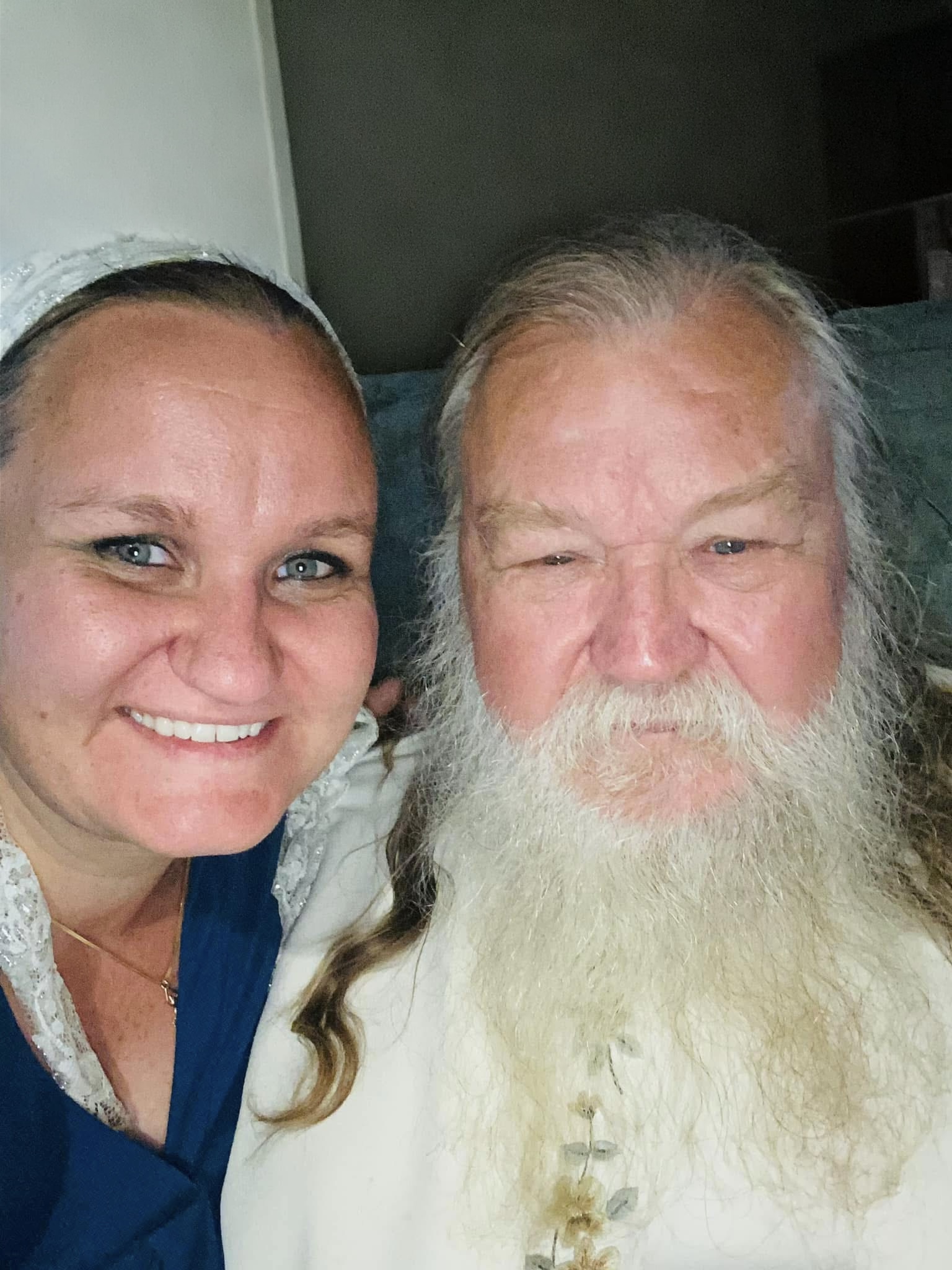
With Love and Gratitude
Behind every calendar lies a story of faith, sacrifice, perseverance, and countless hours of work — not only by Father Pavel, but also by his beloved Matushka Natalia.
Their dedication has been a lifelong example to their children and a blessing to Orthodox faithful throughout the world.
May the fruits of their labor continue to serve generations to come.
Многая лета!
Many years!
May God grant our beloved parents many more blessed years of health, strength, and joy.