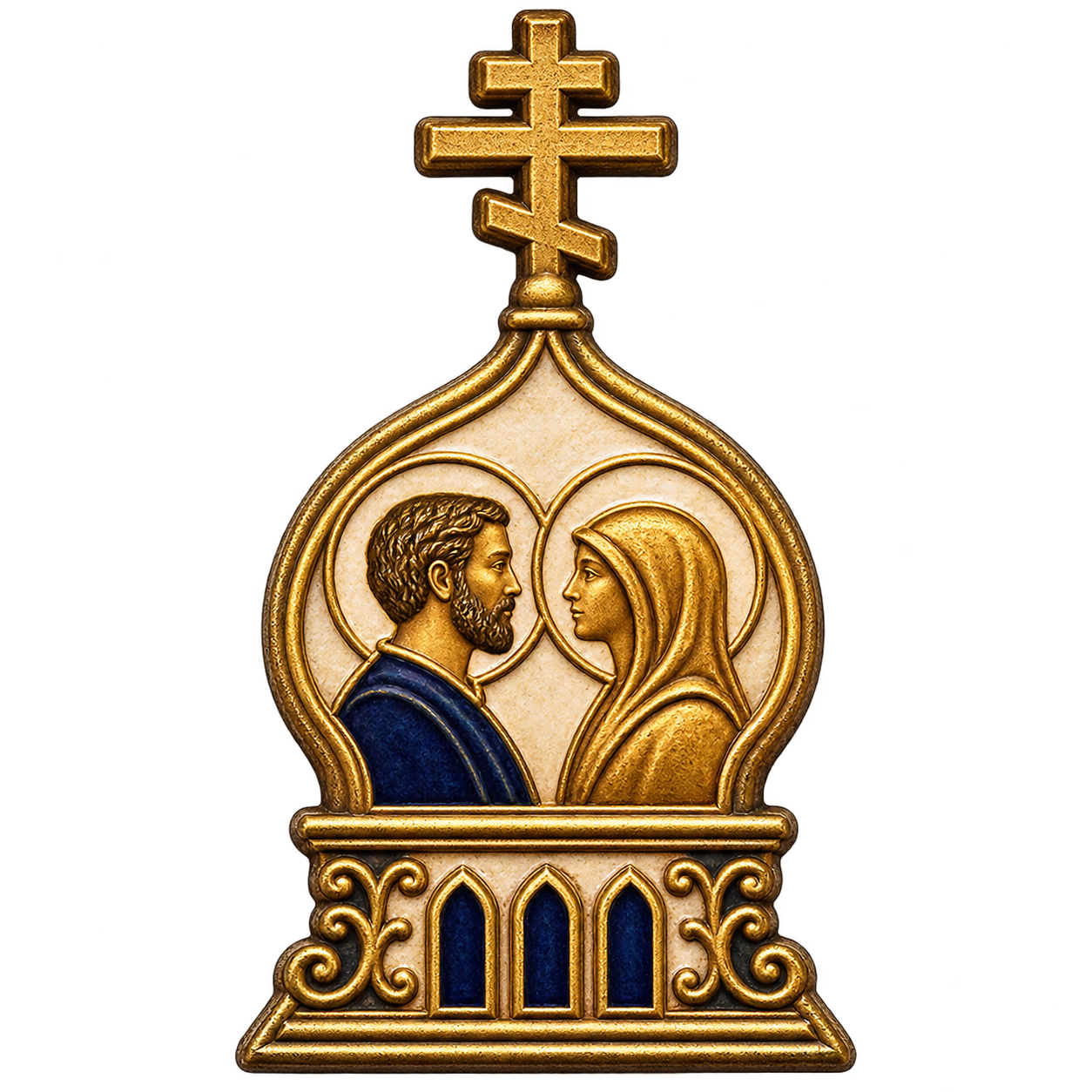
Saint Philip, Abbot of Irap Near Novgorod
Piece of Humanity / The Saints
Saint Philip, Abbot of Irap Near Novgorod
Names & Identity
- Russian First Name
- Филипп
- Gender
- Male
Commemorations
Why different dates?Old Calendar: the traditional Julian calendar used for fixed commemorations in some churches. New Calendar: the Gregorian or Revised Julian dating used for fixed commemorations in other churches. In 2026, the traditional Julian calendar is 13 days behind the civil Gregorian calendar. These are this site’s calendar display labels; source traditions may vary. Select a date to explore other commemorations in Calendar Day view.- Old CalendarNovember 14↗
- New CalendarNovember 27↗
Sources & References
Recorded sources
- 🔗
Orthodox Old Believer Church Calendar (2026)Commemorated in the 2026 Old Rite Calendar.
- 🔗
Orthodox Church in America (OCA)Life · OCA commemoration: Saint Philip, Abbot of Irap Near NovgorodHymns · OCA commemoration: Troparia and Kontakia — Philip
- 🔗
Pravoslavie.ru14 ноября: Святого апостола ФилиппаФилипп Ирапский, Череповецкий, прп.Преподобный Филипп Ирапский
- 🔗
Azbuka — Lives of the SaintsAzbyka: Житие преподобнаго Филиппа Ирапскаго
Sources document the information attributed to them; a listing does not imply that every detail on this page is independently verified.
Life & Witness
Main life · Azbuka — Lives of the Saints · English
Translated by Piece of Humanity using Google Cloud Translation. This translation may contain errors. To help keep this record accurate, please suggest corrections in the comments below. I’ll review your suggestions carefully and update the translation where needed.
Continue reading (3,163 words · 16 min read)
Commemorated on November 14
During the reign of Vasily Ivanovich, Grand Prince of Moscow and All Russia (7438), a certain youth named Theophilus appeared in the Vologda region, near the monastery of St. Cornelius (7439 ). He settled with a man named Vasily. He earned his living by the name of Christ. The youth had the pious custom of attending divine services every day, spending every night in prayer, and remaining constantly vigilant. Seeing Theophilus’s humility, meekness, and love of prayer, everyone marveled at this young man. No one had ever seen him participate in children’s games or laugh. St. Cornelius was told of him, and the saint commanded that the youth be brought to him. Cornelius quietly and meekly asked the youth who he was, where he was from, his name, and where his parents lived. Weeping, the youth bowed at the saint’s feet and said, “Forgive me, venerable father. I do not remember my parents; they left me when I was a child. I was told they were peasants, and my name was Theophilus. I wandered, feeding on the name of God. I do not know how I came here, and now I live here with my master. I beg you, venerable father, allow me to labor in your monastery as much as I can.” Saint Cornelius, with his clairvoyant eyes, foresaw that he would be a chosen vessel of God. He commanded that Theophilus be admitted to the monastery and entrusted him to the sacristan.
The boy was only 12 years old at the time. From the day he entered the monastery, he began to diligently serve the brethren, distinguished by his great obedience and humility. He served the brethren in this manner for about three years. Seeing his zeal and meekness, the sacristan reported this to St. Cornelius. All the monks loved the hardworking boy. When he turned 16, St. Cornelius summoned him and said, “My dear child, you are fully worthy to receive monastic tonsure.”
Theophilus responded with joy: “My soul desires this more than anything else. I ask you, holy father, not to delay in fulfilling this good and God-pleasing deed.”
Saint Cornelius himself, having instructed the blessed one, tonsured him a monk, giving him the name Philip. For spiritual guidance, the young monk was entrusted to the highly skilled and pious monk Flavian. First of all, he taught Saint Philip to read and write. The Lord aided His faithful servant. In a short time, Philip learned to read and write well and could quickly read the books of Holy Scripture. Saint Philip labored in the monastery for many years, fulfilling all obediences. He served in the church, worked in the bakery, carried water and firewood, performed various tasks for the brethren during the day, and prayed at night. He especially strictly observed the fasts and set an example of true abstinence. The brethren marveled at such ascetic labors of the saint and began to ask Saint Cornelius to ordain Philip as a priest. The blessed one readily granted their request. Then Philip intensified his ascetic struggles, so that the monks became even more amazed at his virtuous life. Noticing this, Philip became troubled in spirit and began to grieve.
“Woe is me,” he thought to himself, “I have already received my reward from people. What further reward can I expect from the Lord on the Day of Judgment? No, it is the praise of people that brings me woe.”
Wishing to escape glory, he intended to leave the monastery and go wherever the Lord would direct him. He confided this to Blessed Cornelius. The holy elder, having given him edifying instructions, gave him his blessing and sent him away from his monastery in peace. Saint Philip began to pray to the Most Holy Theotokos: “Hear me, O speedy Helper, deliver me from the sorrow that troubles my heart.”
One night, when he, according to his custom, stood in the monastery at prayer and chanted the canon in honor of the Hodegetria [7440] , he suddenly heard a voice: “My beloved servant, leave here and go where I show you.”
The saint looked out the window of his cell and saw a great light shining on the south side. He was horrified by this vision and ran out of his cell in fear.
“This is the place,” he thought, “that was shown to me from above. May the will of the Lord be done.”
Returning to his cell, he finished his prayer and reflected for a long time on the vision he had had. As he headed toward the church in the morning, he was again honored to hear the voice: “Leave this monastery and go where I tell you.”
After this, Saint Philip left the monastery the following night, carrying nothing but the clothes he was wearing, and set out on his journey. He arrived at Lake Kubenskoye [7441] , at the Monastery of the All-Merciful Savior, and from there he continued on his way, seeking a place suitable for silence and monastic asceticism. Meanwhile, he nourished his soul with these thoughts: “Let us flee carnal life, as the Jewish people once fled Egyptian slavery. Let us turn away from the love of money, for it is the root and source of all evil. May the Lord be my guide and mentor!”
Saint Philip came to Beloozero in the Andoga volost, began to explore the area, and in the forest on the banks of the Andoga River , he found a beautiful, quiet, and secluded spot. “This is my peace, here I will dwell,” he exclaimed, turning to the Lord with a prayer of thanksgiving.
Exhausted by the long journey, the saint lay down under a spreading pine tree and fell asleep. In a dream, an Angel of the Lord appeared to him and said, “Philip, the Lord has prepared a place for you here.”
The blessed one immediately awoke and began to pray to the Holy Trinity. The next morning, he went to the governor of that volost, Prince Andrei Vasilyevich Sheleshpansky. Arriving before the prince, the blessed one began to ask him for the place where he had seen the vision. The prince, accompanied by the blessed one, went to the spot and, with his staff, marked out the area from the Andoga River to Maly Irap and permitted the blessed one to live there. The saint surrounded the area with a ditch, built himself a cell and a small cave on the riverbank, and began to pray to the Lord for the salvation of his soul.
Prince Andrei had a brother, Prince John. When Prince Andrei told his brother that Blessed Philip had settled in their volost, Prince John, under the devil’s spell, became very angry with both his brother and Blessed Philip. In front of the people and the priests, he began to reproach his brother. “You let this man in here, but he didn’t ask me for permission. So I’ll go to him, drive him out, and won’t allow him to live there.”
In vain did Prince Andrei, along with the priests and the people, urge his brother not to harm the holy man. Prince Ivan grew even more enraged, mounted his horse, and rode into the desert, intending to drive the saint out. When the prince approached Maly Irap, the horse stopped and refused to cross the stream. The prince struck it with a whip. But the horse, biting the bit, bolted back, carrying the prince to the village where he lived. There, near the Church of St. Nicholas the Wonderworker, it threw the prince and rushed on, dying about two miles away. As he fell, the prince struck a rock and died. Prince Andrei buried his brother and went to St. Philip. He began to give the hermit silver in remembrance of his brother. The saint, however, refused the silver, but asked for land between the Bolshoi and Maly Irap streams. Prince Andrei readily granted his request: he secured the entire land for him, ordering his peasants to obey the saint and assist him in every way. From that time on, Prince Andrei and many others developed great faith in the saint and sought his prayers and guidance. The blessed one built himself a chapel and a cell, and then conceived the idea of building a church in the name of the Holy Trinity. Many came to Philip to pray in his chapel. The saint instructed them on the benefits of the soul and said to them: “Listen, fathers and children: let us accomplish a good and beneficial deed for our souls; let us build a church in the name of the Holy and Life-Giving Trinity.”
Hearing this, the people eagerly began to help the saint. Soon, with God’s help and the prayers of Saint Philip, they built a church and decorated it to the best of their ability. Prince Andrei Vasilyevich himself donated books and church utensils. Finally, the church was consecrated, and prayers and praises to the Lord began to be offered within it. The newly founded monastery was named the Krasnoborsk Hermitage of Philip of Irap [7443] . The fame of the holy ascetic began to spread, and many came to him, seeking his prayers and edification. Blessed Philip taught everyone, gave helpful advice to everyone, prayed for everyone, encouraged and consoled everyone.
“Let us live peacefully and meekly,” the saint instructed all who came to him, “love your parents and honor them. May the God of peace preserve you in all peace and quiet; have love for all your relatives, for all the poor and needy, for they are our neighbors; let us remember that the Lord himself loved the poor. Brethren, let us not become arrogant, but let us be meek and humble, for “God resists the proud, but gives grace to the humble” ( 1 Pet. 5:5 ).
Teaching others in this way, Saint Philip intensified his ascetic labors, continually chanting the divinely inspired psalms of David, and faithfully observing all the rules of monastic life. He especially advised everyone to read the psalms: “Listen, children,” he said, “that nothing drives demons from us so powerfully as singing the songs of David.”
One day, as the blessed one stood praying in his cell, he suddenly heard the sound of a trumpet and the noise of a military army. The blessed one was surprised: “Where did this trumpet sound come from? After all, there is no battle here.”
Meanwhile, the unclean spirit that had made this noise approached the saint and said: “No, there is a battle; it is being waged against you. If you do not wish to wage this battle, then go to sleep, and we will not fight against you.”
The saint, having said a prayer, protected himself with the sign of the cross and exclaimed: “May God arise and may His enemies be scattered and may those who hate Him flee from His face, as smoke disappears, may they disappear” ( Ps. 68:2–3 ).
Immediately all the demonic power vanished. Blessed Philip, seeing this, exclaimed: “The Lord is strong and powerful!”
From then on, the blessed one began to strive even more intensely in fasting and prayer. The evil one himself could no longer harass him, but began to incite evil spirits against him. They took up arms against the holy man and sought to drive him from the place God had appointed him. Seeing that people were doing him harm at the devil’s instigation, the saint prayed for his tormentors, saying, “Do not hold this against them as a sin, O Lord, and forgive them all their transgressions.”
Then other people, seeing his meekness and patience, said to each other: “Here is a holy man: he does not remember malice and annoyance, but only prays for those who annoy him.”
One day, the devil, disguised as a monk, approached the saint’s cell and began knocking. The blessed one said, “Say a prayer.”
The devil answered: “Now and ever and unto the ages of ages.”
Then the saint again demanded that the monk say a prayer, but the devil repeated his answer. The saint ordered the monk to say the prayer a third time, but the same answer followed. The saint said, “Say this: Glory to the Father and the Son and the Holy Spirit, now and ever and unto the ages. Amen.”
The demon, hearing this, quickly vanished, as if scorched by fire. Then Saint Philip was overcome with thought; he even considered leaving that place, but he heard a voice: “Do not be disturbed, servant of God. Remain here as I have commanded you. Then you will be granted to behold the glory of God and find peace for your soul.”
Blessed Philip lived as a solitary hermit in the Krasnoborsk Hermitage. Hearing of his ascetic life, many pious people, monks and laypeople, from all directions came to him for soul-saving conversation, asking the saint to tell them how to save their souls from sin. Peasants from the Andozhskaya volost were his usual visitors and interlocutors. The blessed one lovingly instructed everyone with simple and brief, yet powerful and heartfelt words. He spoke to the monks about the three virtues that give them power over unclean forces: non-covetousness, much vigilance, and fervent prayer. He reminded them of how harsh and sorrowful the yoke of monastic life is, and how former monks lived, accustomed to serving God through a harsh life and silence. He inspired laypeople to love their neighbors, especially to help the poor and needy, and to observe justice toward all. He pointed to the strength of spirit of the fathers and the weakness of modern people. He cited the holy martyrs and blessed fasters as examples of patience in sorrow, who surpassed the limits of human nature through suffering and deprivation and who live forever in the memory of mankind. He taught us to observe our thoughts and to think about the eternal future, not the fleeting present. When asked by an interlocutor why we judge others, the blessed one replied: “He who judges others has not yet understood himself, has not yet waged a struggle with himself.” To those who were curious, he told about himself, how he, a peasant’s son, having been left a complete and homeless orphan in childhood, wandered, feeding on the name of Christ, how he came to the monastery of the Venerable Cornelius and learned the monastic life, spent the day in the monastery service in physical labors, and at night prayed until matins, making a hundred bows on each of the 18 steps of the temple, and how he settled in Irapa.
One day, a villager named Meletius came to Blessed Philip, seeking his guidance. Having a deep faith in the saint, Meletius often visited the saint’s monastery. This time, he stayed overnight with Saint Philip. The saint conversed with the villager until late in the evening. Finally, the monk began his evening prayers, and Meletius, overcome by drowsiness, soon fell asleep. Around midnight, he awoke and called out to the blessed one, but he was not in his cell. Meletius opened the window, looked toward the church, and saw the saint kneeling at the church with his hands raised, praying; his hands glowed like fiery candles. Meletius, closing the window, began to pray to the Holy Trinity, marveling at this vision. He then told many about this, and those who heard began to have great faith in the blessed one.
Thus lived the Monk Philip for 15 years in his desert, awaiting blessed peace and the departure of his soul to the Lord, encouraging himself with the words: “Be patient, Philip, be courageous and strong.”
He prayed incessantly, crying out from the depths of his pure soul: “God Almighty, bring peace to the world, have mercy on and save all Orthodox Christians, grant them peace and prosperity, and cleanse them from all sins. You are merciful and long-suffering, Lord; You await our repentance and do not desire the death of sinners. Great is Your mercy and boundless is Your compassion. And You, merciful Lady, Most Holy Theotokos, our swift helper and intercessor, pray unceasingly for us to Your Son.”
At this time, a monk from the Spaso-Kamenny Monastery on Lake Kubenskoye came to the saint. This monk’s name was Herman. He came and asked Saint Philip to allow him to live with him in the desert.
“Life here is hard and sorrowful, brother,” the saint responded to Herman’s request.
“Patience, father, is the beginning of salvation; I will endure in Christ as much as I can,” he answered.
From that time on, they began to labor together in prayer. Seeing how the ascetic hermit lived, Herman developed great faith in Blessed Philip. He conversed with him frequently, questioned him about his former life, and wrote down everything the saint told him about himself as a memento for future generations.
Blessed Philip labored with Herman for a long time. Foreseeing his imminent death, the saint once said to Herman: “I beg you, my beloved brother, do not leave me until my death, for I have not long to be with you.”
From that time on, the saint intensified his prayers. His blessed death occurred on the night of November 14, 1537.
At midnight, Herman, waking up, was surprised by an extraordinary fragrance that spread throughout the entire cell.
Looking at the saint’s bier, he saw that Philip had already given up his soul to the Lord. The righteous man’s face shone with an extraordinary light. Herman, not being ordained a priest, could not personally bury Saint Philip’s body. By God’s will, the hieromonk Job came to the desert that morning. Together with Herman, he reverently buried Saint Philip. Such was the life of this saint, rich in humility and great in his ascetic labors for the glory of the Holy Trinity. Amen.
* * *
Notes
Vasily Ivanovich occupied the grand princely throne from 1505 to 1533.
The memory of St. Cornelius of Komel is May 19.
The name “Hodegetria,” meaning “Guide,” was given to the Smolensk Icon of Our Most Holy Lady, the Theotokos. Some explain this name by the fact that this holy icon accompanied the Greek emperors on their campaigns; others attribute it to the fact that the holy icon of Hodegetria was originally housed in the Monastery of the Guides on the shores of the Sea of Marmara: sailors setting out on voyages prayed before this holy icon. A third explanation exists: two blind men, at the direction of the Mother of God herself, were brought to this icon and were healed. The commemoration of the Most Holy Icon of the Mother of God Hodegetria is July 28.
Lake Kubenskoye is located in the southwestern part of the Vologda province.
Andoga is a river in the Novgorod province.
The Krasnoborskaya-Trinity-Filippo-Irapskaya Hermitage, now a provincial monastery, is located within the Novgorod diocese, 52 miles from the city of Cherepovets.
Other Life Sources
English
Orthodox Church in America (OCA)
Source · Orthodox Church in America (OCA)
Saint Philip, Abbot of Irap near Novgorod, in the world Theophilus, was the founder of the Irap wilderness-monastery. As an orphan and not remembering his parents, the twelve-year-old Theophilus wandered about and eventually settled near the Komel monastery and lived on charity.
Continue reading (282 words · 2 min read)
Saint Cornelius (May 19) accepted the pious youth into the monastery and after three years tonsured him a monk with the name Philip. Meek, humble and hard-working, at the request of the brethren he was ordained to the priesthood. His striving for greater efforts led him to withdraw to the outskirts of White Lake.
Here, having the patronage of Prince Andrew Sheleshpansky, who had allotted him land near the River Irapa, 45 versts from Cherepovets, the monk built a chapel in the Name of the Most Holy Trinity and a cell for himself. News about the holy wilderness-dweller spread throughout all the surrounding area, and monks began to flock to him. The laity also went to him for spiritual counsel, and Saint Philip would instruct them in the virtues which those living in the world ought to possess.
Soon at the place of the chapel a church was built in the Name of the Holy Life-Creating Trinity. Saint Philip dwelt in the wilderness for fifteen years and died in 1537 at age 45. His relics were placed beneath a crypt in the Trinity temple. Over his grave was an icon, painted by the monk Theodosius. Soon after the death of Saint Philip, the Krasnoborsk Philippov monastery arose on the place of his struggles.
The celebration of Saint Philip was established at the end of the sixteenth century. The manuscript service to him dates from the end of the sixteenth century.
Pravoslavie.ru
Source · Pravoslavie.ru
Translated by Piece of Humanity using Safari’s built-in translation. This translation may contain errors. To help keep this record accurate, please suggest corrections in the comments below. I’ll review your suggestions carefully and update the translation where needed.
The Monk Philip, in the world of Theophilus, was the founder of the Irap Desert. Not remembering his parents, a complete orphan, 12-year-old Theophilus settled near the Komel monastery and lived by alms. The Monk Cornelius (memory of May 19) accepted a pious boy to the monastery and three years later became a monastic with the name Philip. Meek, humble and hardworking, he, at the request of the brotherhood, was awarded the priesthood.
Continue reading (248 words · 2 min read)
The desire for the highest feats prompted him to retire to the Belozersk district. Here, using the patronage of Prince Andrei Sheleshpansky, who allocated him land near the Irapa River, 45 versts from Cherepovets, the monk erected a chapel in the Name of the Holy Trinity and built himself a cell. The rumor about the holy deserter spread throughout the district, and the monks began to flock to him. Soon a church in the Name of the Holy Life-Giving Trinity was erected on the site of the chapel. The Monk Philip spent 15 years in the desert and died at the age of 45. His relics were laid under the spud in the Trinity Church. Above his tomb was an icon painted according to the vision of the monce Theodosius. Shortly after the death of St. Philip, the Krasnoborsky Philipp Monastery appeared on the site of his feat.
The celebration of the Monk Philip was established at the end of the 16th century. His handwritten service dates back to the end of the 16th century.
Russian
Azbuka — Lives of the Saints
Source · Azbuka — Lives of the Saints
Житие преподобнаго Филиппа Ирапскаго
Continue reading (2,485 words · 13 min read)
Память 14 ноября
В княжение великого князя Московского и всея России Василия Иоанновича7438 в пределах вологодских, вблизи обители преподобного Корнилия7439, появился некий отрок по имени Феофил. Он поселился у одного человека по имени Василия. Пропитание он снискивал именем Христовым. У юноши был благочестивый обычай каждый день посещать Божественную службу, каждую ночь проводить в молитве, беспрестанно бодрствуя. Видя смирение Феофила, его кротость и любовь к молитве, все стали дивиться этому юному отроку. Никто никогда не видел, чтобы он принимал участие в детских играх или смеялся. О нем сказали преподобному Корнилию. Преподобный повелел привести к себе отрока. Корнилий тихо и кротко спросил юношу, кто он и откуда родом, как его зовут, и где живут его родители. Заплакав, отрок поклонился в ноги святому и сказал: «Прости меня, честный отче, я не помню своих родителей, остался после них в малых летах; сказывали мне, что они были крестьяне, а мне имя Феофил. Скитался я, питаясь именем Божиим, не знаю, как пришел сюда, и теперь живу здесь у своего хозяина. Молю тебя, честный отче, позволь мне потрудиться в твоей обители, сколько я могу». Святой Корнилий своими прозорливыми очами провидел, что он будет избранным сосудом Божиим. Он повелел принять Феофила в монастырь и поручил его ризничему.
Отроку тогда было всего 12 лет. Со дня поступления в монастырь он начал усердно служить братии, отличался великим послушанием и смирением. Около 3 лет служил он так братии. Видя его рвение и кротость, ризничий сообщил об этом преподобному Корнилию. Все иноки любили трудолюбивого отрока. Когда ему исполнилось 16 лет, преподобный Корнилий призвал его к себе и сказал: «Дорогое мое чадо, ты вполне достоин воспринять иноческое пострижение».
Феофил с радостью ответствовал: «Всего более желает этого душа моя, прошу тебя, святой отче, не медли исполнить это благое и Богоугодное дело».
Сам преподобный Корнилий, наставив блаженного, постриг его в иноки, причем ему дано было имя – Филипп. Для духовного руководства отдали юного инока весьма искусному и благочестивому иноку Флавиану. Прежде всего он научил святого Филиппа грамоте. Господь помог своему верному рабу. В короткое время Филипп хорошо изучил грамоту и мог быстро читать книги Священного Писания. Много лет подвизался в обители преподобный Филипп, исполняя все послушания. Он то прислуживал в церкви, то работал в пекарне, носил воду и дрова, днем исполнял разные работы для братии, а ночью молился. Особенно строго он соблюдал пост и подавал пример истинного воздержания. Братия дивились таким подвигам преподобного и стали просить святого Корнилия, чтобы он поставил у них Филиппа пресвитером. Блаженный охотно исполнил их просьбу. Тогда Филипп усугубил свои подвиги, так что иноки еще более стали удивляться его добродетельной жизни. Заметив это, Филипп смутился духом и стал скорбеть.
«Горе мне, – помышлял он в себе, – я уже получил себе награду от людей. Какой мзды мне еще ожидать от Господа в День Судный? Нет, горе приносит мне хвала людская».
Желая избегнуть славы, он вознамерился покинуть обитель и направиться туда, куда ему укажет Господь. Об этом он поведал блаженному Корнилию. Святой старец, преподав ему душеполезные наставления, дал ему свое благословение и с миром отпустил из своей обители. Преподобный Филипп начал молиться Пресвятой Богородице: «Услышь меня, скорая Помощница, избавь меня от скорби, которая смущает сердце мое».
Однажды ночью, когда он, по своему обычаю, стоял в монастыре на молитве и воспевал канон в честь Одигитрии7440, вдруг услышал он голос: «Возлюбленный раб Мой, выйди отсюда и ступай, куда Я укажу тебе».
Святой посмотрел в оконце своей кельи и увидел, что на южной стороне сияет великий свет. Он ужаснулся от этого видения и в страхе выбежал из своей кельи.
«Это и есть то место, – подумал он, – которое мне указано свыше. Да будет воля Господня».
Возвратившись в келью, он окончил свою молитву и долго размышлял о бывшем ему видении. Когда он утром направился к церкви, снова сподобился услышать глас: «Выйди из этой обители и ступай, куда Я тебе укажу».
После этого святой Филипп в следующую ночь вышел из монастыря, не имея с собой ничего, кроме одежды, какая была на нем, и отправился в дорогу. Он пришел на Кубенское озеро7441 в монастырь Всемилостивого Спаса и отсюда продолжал свой путь, отыскивая себе место, удобное для безмолвия и иноческих подвигов. При этом он питал свою душу такими размышлениями: «Бежим плотской жизни, как некогда народ еврейский бежал от рабства египетского. Уклонимся от сребролюбия, ибо оно корень и начало всякого зла. Да будет Господь моим водителем и наставником!»
Преподобный Филипп пришел на Белоозеро в волость Андогу, стал обходить ту страну и в лесу на берегу реки Андоги7442 нашел одно прекрасное место, тихое и уединенное. «Се покой мой, зде вселюся», – воскликнул он и обратился с благодарственной молитвой к Господу.
Истомленный долгой дорогой, преподобный лег под одной развесистой сосной и уснул. Во сне ему явился Ангел Господень и сказал: «Филипп, здесь Господь уготовал тебе место».
Блаженный тотчас же пробудился и стал молиться Пресвятой Троице. Утром на следующий день он отправился к правителю той волости князю Андрею Васильевичу Шелешпанскому. Придя к князю, блаженный стал просить его о том месте, где ему было видение. Князь вместе с блаженным отправился на то место и своим посохом очертил пространство от реки Андоги до Малого Ирапа и позволил блаженному здесь жить. Преподобный обвел то место рвом, устроил себе на берегу реки келейку, вертепец малый и начал молиться Господу о спасении души своей.
У князя Андрея был брат князь Иоанн. Когда князь Андрей сказал своему брату о том, что в их волости поселился блаженный Филипп, князь Иоанн, по наваждению диавольскому, сильно разгневался на своего брата и на блаженного Филиппа. При народе и священниках он начал укорять своего брата. «Ты пустил сюда этого человека, а у меня он не спрашивался; вот я поеду к нему, прогоню его оттуда и не позволю ему жить там».
Напрасно князь Андрей вместе со священниками и народом уговаривал брата не делать зла святому человеку. Князь Иоанн еще более рассердился, вскочил на коня и поскакал в пустыню, намереваясь изгнать оттуда святого. Когда князь подъехал к Малому Ирапу, конь остановился и не пошел через ручей. Князь ударил его бичом. Но конь, закусив удила, понесся обратно, примчал князя в село, где он жил, и здесь у церкви Николая Чудотворца сбросил князя, а сам понесся далее и верстах в двух издох. Падая, князь ударился о камень и умер. Князь Андрей похоронил брата и отправился к преподобному Филиппу. Он стал давать пустыннику серебро на помин своего брата. Преподобный же серебра не принял, но попросил землю между ручьями Большим и Малым Ирапом. Князь Андрей охотно исполняя его просьбу: он закрепил за ним всю ту землю, приказав своим крестьянам слушаться преподобного и всячески помогать ему. С этого времени князь Андрей и многие другие стали иметь большую веру к преподобному и просить его молитв и наставлений. Блаженный поставил себе часовню и келью, а потом задумал построить храм во имя Пресвятой Троицы. Многие приходили к Филиппу помолиться в его часовне. Преподобный поучал их о пользе душевной и говорил им: «Послушайте, отцы и чада: исполним дело благое и полезное для душ наших, построим церковь во имя Святой и Живоначальной Троицы».
Слыша это, народ охотно стал помогать святому. В скором времени, с помощью Божией и по молитвам святого Филиппа, они построили церковь и украсили ее по мере своих сил. Сам князь Андрей Васильевич пожертвовал в церковь книги и утварь. Наконец, храм этот был освящен и в нем стали возноситься молитвы и славословия Господу. Вновь возникавшую обитель назвали Красноборской пустыней Филиппа Ирапского7443. Слава о святом подвижнике стала распространяться, и многие приходили к нему, испрашивая его молитв и назидания. Всех блаженный Филипп поучал, всем давал советы полезные, за всех молился, всех ободрял и утешал.
«Будем жить мирно и кротко, – наставлял святой всех приходивших к нему, – любите родителей своих и почитайте их. Да сохранит вас Бог мира во всяком мире и тишине; любовь имейте ко всем сродникам вашим, ко всем нищим и убогим, ибо они наши ближние; вспомним, что сам Господь возлюбил нищих. Братия, не станем возноситься, но будем кротки и смиренны, ибо «Бог гордым противится, а смиренным дает благодать» (1Пет. 5:5).
Поучая так других, святой Филипп усугублял все более и более свои подвиги, все время воспевал Боговдохновенные псалмы Давида, исполняя в точности все правила иноческой жизни. Особенно он советовал всем читать псалмы: «Внимайте, чада, – говорил он, – что ничто так сильно не прогоняет от нас бесов, как пение песней Давидовых».
Однажды, когда блаженный стоял на молитве в своей келие, вдруг он услышал трубный звук и шум, как бы от воинской рати. Блаженный удивился: «Откуда этот трубный глас? Ведь здесь нет брани».
Между тем нечистый дух, который произвел этот шум, приблизился к святому и сказал: «Нет, брань есть; она ведется против тебя. Если ты не хочешь вести этой брани, то ступай, спи, и мы не станем воевать против тебя».
Святой, сотворив молитву, оградил себя крестным знамением и воскликнул: «Да воскреснет Бог и расточаться враги Его и да бегут от лица Его ненавидящие Его, как исчезнет дым, да исчезнут» (Пс. 67:2–3).
Тотчас вся сила бесовская исчезла. Блаженный Филипп, видя это, воскликнул: «Крепок и силен Господь!»
С тех пор блаженный еще более стал подвизаться в посте и молитвах. Лукавый сам не мог уже более досаждать ему, а начал подучать на него злых людей. Они вооружились на святого мужа и хотели изгнать его от места, указанного ему Богом. Видя, что люди делали ему зло по внушению диавола, святой молился за своих досадителей, говоря: «Не вмени им этого в грех, Господи, и прости им все согрешения».
Тогда другие люди, видя его незлобие и терпение, говорили друг другу: «Вот – святой человек: не помнит злобы и досады, а только молится о своих досадителях».
Однажды диавол в образе монаха подошел к келие святого и стал стучаться. Блаженный сказал: «Сотвори молитву».
Диавол же отвечал: «Ныне и присно и во веки веков».
Тогда святой снова потребовал, чтобы монах произнес молитву, но диавол опять повторил свой ответ. Святой в третий раз приказал монаху произнести молитву, но последовал тот же самый ответ. Святой сказал: «Скажи так: Слава Отцу и Сыну и Святому Духу ныне и присно и вовеки. Аминь».
Бес, услышав это, быстро исчез, как будто его палил огонь. Тогда святого Филиппа объяло раздумье; он даже думал оставить то место, но услышал глас: «Не смущайся, раб Божий. Пребывай здесь, как Я повелел тебе. Тогда сподобишься лицезреть славу Божию и обретешь покой душе своей».
Блаженный Филипп жил одиноким отшельником в Красноборской пустыне. Слыша о его подвижнической жизни, многие благочестивые люди, иноки и миряне, с разных сторон приходили к нему ради душеспасительной беседы, прося святого поведать им, как спасти душу от греха. Обычными посетителями и собеседниками его были крестьяне Андожской волости. Блаженный с любовью поучал всех простым и кратким, но сильным и задушевным словом, инокам говорил о трех добродетелях, дающих им власть над нечистыми силами, о нестяжании, многом бдении и усиленной молитве, напоминал о том, как жестко и скорбно иго иноческого жития и как жили прежние иноки, навыкшие жестоким житием и молчанием служить Богу; мирским людям внушал любить ближних, особенно помогать нищим и убогим, соблюдать ко всем правду; указывал на силу духа отцов, и на слабодушие нынешних людей, в пример терпения в скорбях ставил святых мучеников и блаженных постников, превзошедших страданиями и лишениями меру естества человеческого и вечно живущих в памяти людей; учил наблюдать за своими мыслями, помышлять о вечном будущем, а не о маловременном настоящем. На вопрос собеседника, почему мы осуждаем других, блаженный отвечал: «Кто осуждает других, тот еще не уразумел себя, не вел борьбы с самим собой». Любопытствовавшим он рассказывал о себе, как он, крестьянский сын, еще в детстве оставшись круглым и беспризорным сиротой, скитался, питаясь Христовым именем, как пришел в обитель к преподобному Корнилию и навыкал иноческому жительству, день проводил на службе монастырской в трудах телесных, а ночью молился до заутрени, кладя по сто поклонов на каждой из 18 ступеней храма, и как поселился на Ирапе.
Однажды некий поселянин по имени Мелетий пришел к блаженному Филиппу, прося у него наставления. Питая глубокую веру к святому, Мелетий часто посещал обитель блаженного. На этой раз он остался ночевать у святого Филиппа. До позднего вечера святой все беседовал с поселянином. Наконец, преподобный стал совершать свои вечерние молитвы, а Мелетий, одержимый дремотой, скоро заснул. Около полуночи он проснулся и окликнул блаженного; но его не было в келье. Мелетий открыл оконце, посмотрел по направлению к церкви и видит: святой с воздетыми руками стоит на коленах у церкви и молится; руки его светились, как огненные свечи. Мелетий, затворив окно, стал молиться Пресвятой Троице, дивясь этому видению. Потом он рассказал об этом многим, и слышавшие стали иметь великую веру в блаженного.
Так жил преподобный Филипп 15 лет в своей пустыне, ожидая блаженного покоя и отхода души своей ко Господу, ободряя себя словами: «Терпи, Филипп, мужайся и крепись».
Непрестанно он молился и взывал из глубины своей чистой души: «Боже Вседержителю, умири мир, помилуй и спаси всех православных христиан, подаждь им тишину и благоденствие и очисти их от всех грехов. Милостив и долготерпелив Ты, Господи, ждешь от нас покаяния и не хочешь смерти грешников. Велика Твоя милость и беспредельно Твое милосердие. И Ты, милостивая Госпоже, Пресвятая Богородица, скорая наша помощница и заступница, моли непрестанно за нас Сына Твоего».
В это время к преподобному пришел инок из Спасо-Каменного монастыря, что на Кубенском озере. Этого инока звали Германом. Придя стал просить преподобного Филиппа, чтобы он позволил ему пожить вместе с ним в пустыне.
– Тяжка и прискорбна здесь жизнь, брат, – ответствовал святой на просьбу Германа.
– Терпение, отче, – начало спасения; потерплю о Христе, сколько возмогу, – отвечал тот.
С того времени они начали вместе подвизаться в трудах в молитвах. Видя, как жил многоподвижный пустынник, Герман начал иметь великую веру в блаженного Филиппа, много с ним беседовал, расспрашивал его о прежней его жизни и все, что рассказывал ему о себе преподобный, записывал на память будущим родам.
Долго еще подвизался блаженный Филипп вместе с Германом. Провидя скорую кончину, преподобный однажды сказал Герману: «Прошу тебя, любимый брате мой, не оставляй меня до моей кончины, ибо недолго мне осталось быть с тобой».
С этого времени преподобный усугубил свои молитвы. Блаженная кончина его последовала в ночь на 14 ноября 1537 г.
В полночь Герман, проснувшись, был удивлен необычайным благоуханием, которое распространялось по всей келие.
Взглянув на ложе преподобного, он увидал, что Филипп уже предал Господу свою душу. Лицо праведника светилось необыкновенным светом. Герман, не имея сана иерейского, не мог сам предать погребению тело святого Филиппа. По воле Божией утром пришел в ту пустыню священноинок Иов. Вместе с Германом он благоговейно похоронил святого Филиппа. Таково было житие этого преподобного, богатого своим смирением и великого своими подвигами во славу Пресвятой Троицы. Аминь.
* * *
Примечания
Василий Иоаннович занимал великокняжеский престол от 1505 до 1533 года.
Память преподобного Корнилия Комельского – 19 мая.
Наименование «Одигитрии» т. е. «Путеводительницы» было усвоено Смоленской иконе Пресвятой Владычицы нашей Богородицы. Это наименование одни объясняют тем, что сия святая икона сопутствовала греческим императорам в походах; другие объясняют это тем, что святая икона Одигитрии первоначально была в монастыре «Путеводителей» на берегу Мраморного моря: отправляющиеся в плавание моряки молились пред сей святой иконой. Существует, еще третье объяснение: два слепца, по указанию самой Богоматери, были приведены к сей иконе и получили исцеление. Память Пресвятой иконы Божией Матери Одигитрии 28 июля.
Кубенское озеро находится в юго-западной части Вологодской губернии.
Андога – река в Новгородской губернии.
Красноборская-Троице-Филиппо-Ирапская пустынь, ныне заштатная, находится в пределах Новгородской епархии в 52 верстах от города Череповца.
Pravoslavie.ru
Source · Pravoslavie.ru
Преподобный Филипп, в миру Феофил, был основателем Ирапской пустыни. Не помнивший родителей, круглый сирота, 12-летний Феофил поселился вблизи Комельской обители и жил подаянием. Преподобный Корнилий (память 19 мая) принял благочестивого отрока в обитель и через три года постриг в иночество с именем Филипп. Кроткий, смиренный и трудолюбивый, он, по ходатайству братии, был удостоен священства. Стремление к высшим подвигам побудило его удалиться в Белозерскую округу.
Continue reading (180 words · 1 min read)
Здесь, пользуясь покровительством князя Андрея Шелешпанского, выделившего ему землю близ реки Ирапа, в 45 верстах от Череповца, преподобный поставил часовню во Имя Пресвятой Троицы и соорудил себе келлию. Молва о святом пустыннике распространилась по всей округе, и к нему стали стекаться иноки. Вскоре на месте часовни была поставлена церковь во Имя Святой Живоначальной Троицы. Преподобный Филипп провел в пустыни 15 лет и скончался в возрасте 45 лет. Мощи его были положены под спудом в Троицком храме. Над его гробницей была икона, написанная по видению иноком Феодосием. Вскоре после кончины святого Филиппа на месте его подвига возник Красноборский Филиппов монастырь.
Празднование преподобному Филиппу было установлено в конце XVI века. Рукописная служба ему относится к концу XVI века.
Hymns and Prayers
Hymns sung in honor of the saint in the Church’s worship. What are these?Troparion: a short liturgical hymn celebrating a saint or feast. Kontakion: a hymn reflecting on the saint’s witness or the meaning of the feast. Not every saint has individually recorded hymns.
English
Orthodox Church in America (OCA) (2)
Troparion · Tone 8
In you the image was preserved with exactness, O Father, / for taking up your cross, you followed after Christ. / By so doing, you taught us to disregard the flesh, for it passes away, / but to care instead for the soul, since it is immortal. / Therefore, most venerable Father Philip your spirit rejoices with the Angels.
Kontakion · Tone 2
(Podoben: “You sought the heights…”) Having divinely armed yourself with the purity of your soul, / and firmly grasping unceasing prayer as a spear, you pierced the armies of demons. / O our Father Philip, pray unceasingly for us all.
Russian
Pravoslavie.ru (3)
Troparion · Tone 4
Яко кедр, в пустыни давидски растущ, и яко финикс, благоуханен цветущ,/ ревнитель учителю твоему был еси, преподобному отцу Корнилию,/ стопам бо его последовал еси/ и, святое иго взем,/ светлым житием просиял еси, яко солнце,/ явлься мирови многими чудесы, отче Филиппе!/ И ныне на Небесех предстоиши Престолу Пресвятыя Троицы/ и, яко великое имея дерзновение,/ преподобнии свой руце воздев,/ моли от враг сохранитися градом нашим/ и спастися душам нашим.
Kontakion · Tone 8
Воспоем ныне предивнаго в чудесех,/ возсиявшаго во области Белаозера, просиявшаго, яко солнце./ О неистощимый источниче чудес, святче Божий Филиппе!/ всегда Святей Троице предстоя/ и молением предваряя за страну нашу и о всем мире,/, не забуди и нас, твоих раб,/ призывающих тя молебным пением,/ честную память твою творящих,/ помолися о нас ко Господу во святых своих молитвах,/ да спасет души наша.
Prayer
Преподобне и богоблаженне отче наш Филиппе, приими ныне нас, молящихся и припадающих тебе зде, идеже святое и многотрудное покоится тело твое, духом же на Небеси предстоиши Святей Троице, молися о нас, чадех твоих, отче, да избавимся всяких скорбей и болезней душевных и телесных и благочестне поживем в настоящем житии, и в будущем веке сподоби нас со всеми святыми покланятися в Троице славимому Богу, Отцу, и Сыну, и Святому Духу ныне и присно и во веки веков. Аминь.